Why Atlanta ranks among America’s deadliest cities for migratory birds colliding with buildings and windows
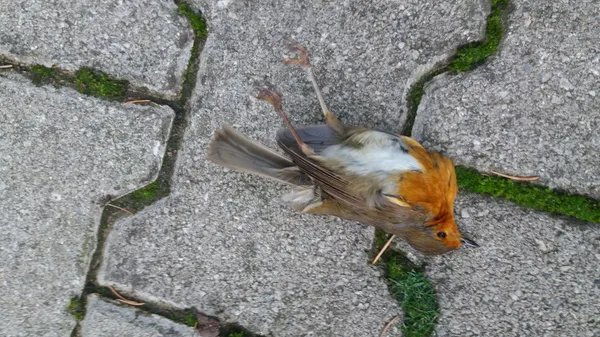
Atlanta’s migration corridor meets urban glass and light
Atlanta has been ranked among the U.S. metropolitan areas where migratory birds face the greatest risk of being drawn into city lights and colliding with buildings. A 2019 scientific analysis that combined long-term weather-radar measurements of bird migration with satellite observations of nighttime lighting placed Atlanta ninth for spring migration risk and fourth for fall migration risk.
The ranking reflects a convergence of factors: Atlanta’s position on heavily traveled migration routes, extensive artificial light at night, and the presence of glass surfaces that can be either reflective (mirroring trees and sky) or transparent (appearing like open flight paths). While the research focused on risk from light exposure and geography, conservation groups working locally emphasize that collisions occur across a wide range of structures, not only high-rise towers.
What is known about collision scale in the U.S. and Atlanta
National estimates of birds killed annually by collisions with human-made structures span a wide range, commonly cited between hundreds of millions and up to around a billion deaths per year in the United States. Scientists and conservation organizations attribute much of the danger during migration to artificial light at night, which can disorient nocturnally migrating birds and concentrate them in urban areas where glass hazards are common.
In metro Atlanta, the total number of collision deaths remains unknown, but systematic monitoring has produced concrete counts. A long-running local effort, Project Safe Flight, began monitoring in fall 2015 and has collected thousands of birds representing well over 100 species, offering a partial but detailed record of the diversity of species affected and the recurring nature of collisions during migration seasons.
Mitigation steps already in use
Efforts to reduce bird-building collisions generally focus on two levers: lighting and glass treatment. Reducing unnecessary lighting overnight during peak migration can lower the attraction effect that pulls birds into urban centers. Addressing glass hazards typically involves applying visual markers or films that make glass more detectable to birds and reduce reflections.
- Turning off or reducing exterior and interior lighting overnight during peak migration windows.
- Targeted retrofits on collision-prone buildings using bird-deterrent window films or patterned glazing.
- Volunteer monitoring routes that document collisions and help identify hotspots for intervention.
Bird-collision prevention strategies focus on reducing nighttime light during peak migration and making glass surfaces more visible to birds.
Why the issue extends beyond downtown skylines
Although bright, tall buildings are prominent symbols of urban collision risk, field monitoring and conservation guidance indicate that collisions also occur at lower heights where birds forage and rest. Reflective or transparent glass near vegetation can be especially hazardous, meaning risks can be present in office campuses, institutional buildings, and residential areas.
The combination of Atlanta’s seasonal migration intensity and built environment characteristics has made the city a focal point for collision monitoring and mitigation planning. Conservation groups and university partners are expanding data tools to better map patterns in collisions and support decisions on where lighting reductions and glass retrofits are likely to have the greatest impact.