Waste Eliminator buys Happy Haulers, adding Atlanta frontload and roll-off routes amid regional expansion push
Acquisition targets denser service coverage in Atlanta’s core market
Waste Eliminator, a Gainesville, Georgia-based waste and recycling provider serving metro Atlanta, has acquired Happy Haulers, a company focused on frontload and roll-off collection in the core Atlanta market. The transaction was announced Tuesday, January 20, 2026. Financial terms were not disclosed.
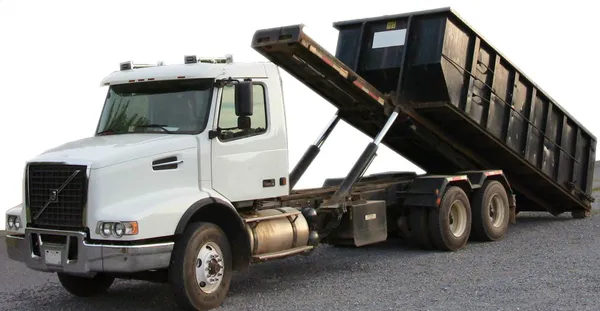
The companies said the deal is intended to expand Waste Eliminator’s presence in downtown Atlanta, increase route density, and add frontload capacity tied to municipal solid waste collection and commercial service needs. Frontload service is typically associated with recurring commercial pickups, while roll-off containers are commonly used for construction, renovation, and high-volume waste streams.
Part of a wider buy-and-build strategy backed by private equity
The acquisition is the latest step in a multi-year expansion strategy supported by Allied Industrial Partners, a private equity firm that invested in Waste Eliminator in 2021. The companies describe the Happy Haulers purchase as Waste Eliminator’s ninth acquisition since partnering with Allied.
Waste Eliminator’s recent growth has included acquisitions aimed at expanding hauling assets, disposal infrastructure, and recycling capacity. In September 2024, the company announced the acquisition of Unlimited Disposal Dumpster Service, a commercial waste operator with a footprint primarily in Northeast Georgia, citing plans to broaden service coverage across Georgia and into parts of South Carolina. In January 2025, the company announced the acquisition of Enterprise Landfill and Phillips Recoveries, described as a construction-and-demolition and industrial waste landfill paired with hauling operations.
Operational implications for customers: capacity, coverage, and integration
Companies pursuing route density typically seek to reduce travel time between stops and improve fleet utilization. In dense urban markets such as Atlanta, adding established routes and equipment can allow a hauler to increase service capacity without building a customer base from scratch. It can also create more flexibility for container availability and pickup scheduling during periods of peak demand.
Waste Eliminator has also invested in recycling infrastructure. In January 2024, the company announced the opening of a new material recovery facility in Peachtree Corners, Georgia, intended to replace an older facility and increase throughput capacity by 25%, with the stated goal of diverting more material from landfills.
Deal announced: January 20, 2026; financial terms not disclosed.
Target company: Happy Haulers, described as a frontload and roll-off operator in core Atlanta.
Stated rationale: added downtown Atlanta presence, route density, and frontload/MSW collection capability.
Waste Eliminator said the transaction is aligned with its strategy to expand its asset base and build a larger regional waste-management platform in the Southeast.
Neither company provided a timeline for operational integration, changes to branding, or customer account transitions. Waste service customers are typically affected most by integration decisions involving dispatch systems, route restructuring, container inventories, and service-level commitments.