Vacant Building Fire Near Clark Atlanta Prompts Road Closures and Renews Focus on Derelict Properties
What happened
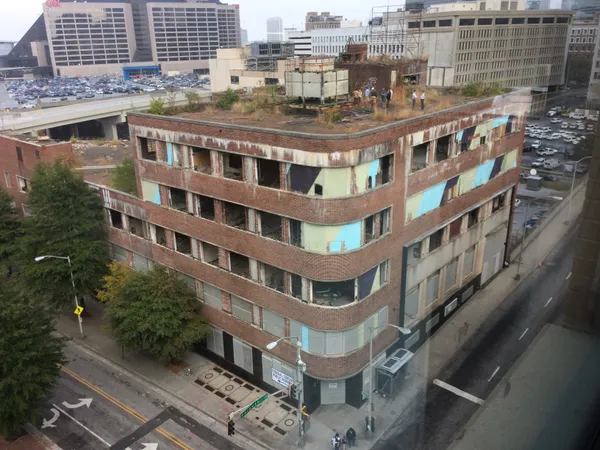
A vacant building near Clark Atlanta University caught fire, drawing an emergency response that led to temporary traffic disruptions in the surrounding area. Firefighters operated with caution due to the structure’s condition, a standard approach when a building is believed to be unstable or unoccupied.
Authorities reported no immediate indications of injuries or people trapped inside the structure during the response. Crews remained on scene after the main flames were knocked down to address remaining hot spots and coordinate with utility personnel, steps that are often necessary before an area can be fully reopened.
Why vacant-structure fires can be especially complex
Fires in vacant buildings frequently pose challenges that differ from those in occupied homes or businesses. Deteriorated roofs, weakened floors, and unsecured entry points can complicate firefighting operations and increase the risk of collapse, requiring responders to limit interior work and prioritize defensive tactics from outside the building.
Such incidents also tend to affect more than the immediate property, with smoke conditions, debris hazards, and temporary road closures sometimes extending impacts to nearby residences, institutions, and transit routes.
Context in the Atlanta University Center area
The fire occurred in a part of Atlanta that includes campuses, historic structures, and long-running redevelopment discussions. The broader Atlanta University Center area has previously seen fire damage to historic properties, including Gaines Hall—an 1869 building associated with the campus landscape—which has experienced repeated fire incidents since a major blaze in 2015 and remained vacant for years afterward.
Those prior events have amplified questions about how aging or unused properties are secured and monitored, particularly where vacant buildings sit near active pedestrian corridors and student populations.
What is known about the cause
The cause of the fire has not been publicly confirmed. Fire investigations typically assess potential ignition sources, signs of forced entry, and evidence of accelerants where appropriate. Officials commonly avoid early conclusions until scene examinations and interviews are completed.
What comes next
Fire investigators are expected to determine an origin area and probable cause once the site is safe for full assessment.
City agencies and property stakeholders may evaluate next steps for securing the structure, including fencing, boarding, or potential demolition if the building is deemed unsafe.
Residents and institutions nearby may see continued intermittent disruptions if utility work, cleanup, or inspections extend beyond the initial response period.
Vacant-building incidents often move from emergency response to longer-term questions: property security, code enforcement, and redevelopment timelines that can leave structures idle for years.