TSA Lines at Atlanta’s Airport Begin Easing as Paychecks Resume During Prolonged DHS Funding Lapse
Security backups show signs of relief after days of severe delays
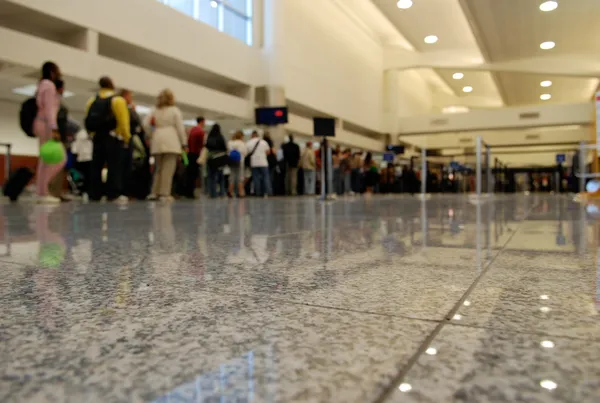
Security lines at Hartsfield-Jackson Atlanta International Airport began to ease over the weekend and into Monday as Transportation Security Administration officers started seeing resumed pay following weeks of work during a Department of Homeland Security funding lapse. The improvement follows a period in which travelers reported multi-hour waits at domestic checkpoints, with some airlines and airport messaging urging passengers to arrive significantly earlier than usual to avoid missed flights.
In the days leading up to the partial shutdown-related payment action, airport operations were strained by staffing disruptions tied to missed and partial paychecks. Local officials had warned that callouts were contributing to lane closures and unpredictable queue lengths, especially during peak morning departure waves. Airport management also implemented temporary support measures for federal screeners, including transportation and parking assistance, as the backlog became a regional travel issue during spring break demand.
What changed: backpay and targeted operational support
Federal action to restore pay for TSA employees was announced late last week, with officials indicating that officers could begin receiving pay as early as Monday, March 30, 2026. While the broader DHS funding dispute remained unresolved, the payment directive targeted the immediate hardship affecting frontline security operations.
Separately, federal personnel support was added at the airport to stabilize checkpoint flow. Additional agents were assigned to assist with line management and crowd control in the domestic terminal areas, allowing TSA officers to focus on screening functions while airport teams worked to prevent surges from spilling into ticketing and baggage claim areas.
Why the lines spiked: staffing volatility at the nation’s busiest airport
Hartsfield-Jackson processes extremely high daily passenger volumes, and even modest staffing shortfalls can cascade into long waits. During the funding lapse, reported absenteeism increased as officers faced financial pressure, and airport conditions were compounded by typical peak-period pressures such as early-morning departures, concentrated flight banks, and intermittent weather-related disruptions.
- Reduced staffing limited the number of screening lanes that could be operated consistently.
- Peak departure periods amplified queue growth faster than checkpoints could process passengers.
- Operational workarounds—redirecting passengers to alternate checkpoints and extending staffing where possible—produced uneven wait times across the day.
For travelers, the practical impact has been variability: lines that can be lengthy at daybreak may move faster later in the morning, depending on staffing levels and departure surges.
What travelers should expect next
The early signs of easing do not guarantee stable wait times going forward. Airport throughput depends on continued staffing reliability and the ability to keep screening lanes fully operational. Travelers departing from Atlanta in the coming days should monitor airport advisories, allow extra time for both check-in and security, and be prepared for shifting conditions during peak hours while the broader federal funding situation remains unsettled.