Thousands lose electricity in Midtown Atlanta as underground fire triggers outages and street closures
What happened and where the outages were concentrated
Thousands of electricity customers in Midtown Atlanta experienced a sudden loss of service after reports of explosions led emergency crews to an incident near the intersection of 11th Street NE and Crescent Avenue NE. Firefighters located a small underground fire and extinguished it, while warning that underground power equipment in the area remained energized as utility crews arrived to assess and isolate the problem.
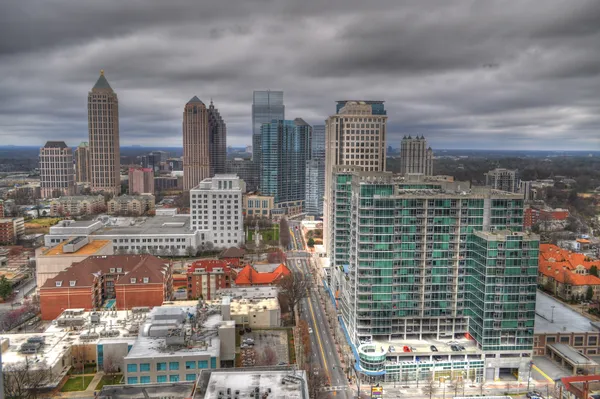
The outage footprint affected a dense section of Midtown with apartment towers, offices and retail corridors. At the height of the disruption, utility outage data indicated more than 4,000 customers without power in the immediate area. Restoration proceeded in stages through the night and into the following morning as crews worked to make the site safe and re-energize circuits.
Emergency response and public-safety measures
Atlanta Police and Atlanta Fire Rescue established a safety perimeter around the intersection and advised the public to avoid the area while crews worked. Officials treated the event as both a fire and electrical hazard, with the underground infrastructure creating additional safety considerations for first responders and repair teams.
In underground utility incidents, the priority sequence typically involves scene stabilization, confirming that affected vaults and conduits are safe to access, and then switching and testing before full restoration can begin.
Likely causes and what is confirmed so far
The confirmed trigger for the outages was an underground fire associated with electrical infrastructure in the 11th Street and Crescent Avenue corridor. Witness accounts reported loud bangs consistent with equipment failure, and responders described an underground fire scene that was brought under control.
Beyond that, the specific initiating fault mechanism—such as a cable failure, transformer/vault malfunction, or related equipment problem—requires utility investigation and post-incident testing. In past Midtown outages, internal equipment issues and localized infrastructure failures have produced similar, highly concentrated disruptions affecting several thousand customers.
Why Midtown outages can be disruptive even when geographically limited
Midtown’s high-rise residential buildings, hotels, medical offices and mixed-use developments can experience cascading impacts when a single underground network segment fails. Even when buildings have backup generation for life-safety systems, outages can still affect elevators, parking access controls, HVAC, refrigeration and some cellular/Internet equipment housed in affected facilities.
What residents and businesses can do during restoration
Monitor official outage updates and restoration estimates using utility outage tools and alert subscriptions.
Avoid downed lines, smoking manholes, or blocked-off intersections; underground electrical faults can present hidden hazards.
If power returns, check critical appliances and building systems (refrigeration, smoke alarms, medical devices) and report any persistent electrical irregularities to property management or the utility.
Utility crews continued repairs and switching operations until service was largely restored, while investigators worked to determine what failed underground and what preventive work may be needed to reduce recurrence in this corridor.