Thousands Lose Electricity Across Parts of Metro Atlanta as Utility Crews Work to Restore Service
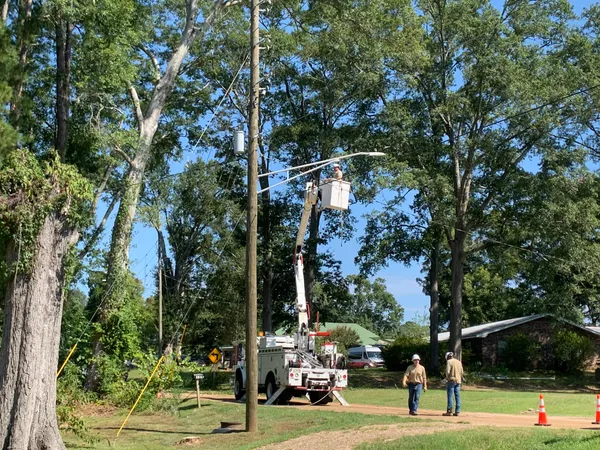
Outages spread unevenly across neighborhoods as restoration timelines vary
Thousands of customers across parts of metro Atlanta experienced electricity outages, disrupting homes, businesses and traffic signals in pockets that shifted as crews isolated damaged sections of the system and rerouted power where possible. Outage totals typically fluctuate throughout an event as additional trouble spots are identified and as repairs bring circuits back online.
Utilities in Georgia rely on a mix of overhead lines and underground equipment. In metro Atlanta, outages are frequently linked to weather-driven impacts such as fallen trees and branches contacting lines, as well as equipment failures that can affect dense corridors with shared infrastructure. Recent metro-area incidents have included localized failures tied to underground electrical equipment, illustrating how restoration can depend on safety checks and specialized repairs before crews can re-energize lines.
What typically drives metro Atlanta outages
In the Atlanta region, the most common outage drivers during storm periods are wind and saturated soil conditions that increase the likelihood of trees toppling into power lines, along with lightning and debris-related damage. When damage is widespread, utilities generally prioritize repairs that restore service to the largest number of customers first, then move to smaller clusters and individual service lines.
Damage to main distribution lines can take large sections offline until crews replace poles, crossarms or conductors.
Failures on a single transformer, fuse or underground segment can cause concentrated outages affecting a few blocks to several thousand customers.
Access constraints—downed trees, flooded areas, or road closures—can slow inspection and repair work.
How restoration generally unfolds
Restoration typically follows a structured sequence: utilities assess system conditions, make the area safe, repair high-voltage and substation-related issues if present, then rebuild distribution feeders and neighborhood circuits. Final steps often include repairs to individual service drops to homes and small businesses.
Utilities generally restore service in stages, moving from backbone infrastructure to neighborhood circuits and then to individual connections.
Safety guidance for residents during outages
Residents are urged to treat any downed line as energized, avoid standing water near electrical equipment, and keep generators outdoors away from windows to reduce the risk of carbon monoxide exposure. Drivers should approach dark traffic signals as four-way stops and use extra caution at intersections where power loss affects signal timing.
Customers experiencing outages are typically advised to report them through official utility channels and to rely on outage maps for estimated restoration windows, which can change as damage assessments evolve and additional repair needs are identified.
Broader reliability context
Metro Atlanta’s outage events occur as utilities and regulators continue focusing on reliability and grid resilience, including investments aimed at reducing storm impacts and improving system automation. Even with upgrades, officials and utilities have repeatedly emphasized that severe weather and equipment failures can still produce sudden, uneven outages across a fast-growing region with complex infrastructure.
Service restoration can take from minutes to many hours depending on whether the problem is a simple protective-device operation, localized equipment failure, or physical damage requiring replacement hardware and clearance of trees and debris.