Small Plane’s Emergency Road Landing in Gainesville Hits Vehicles, Causes Closures, Leaves Minor Injuries Reported
What happened on Browns Bridge Road
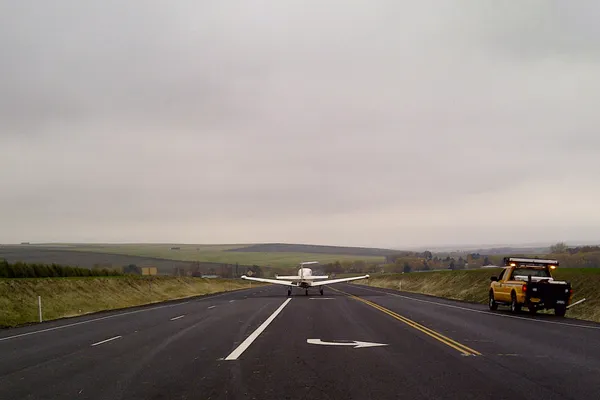
A single-engine aircraft made an emergency landing on a heavily traveled stretch of Browns Bridge Road in Gainesville, Georgia, on Monday, Feb. 9, 2026, colliding with multiple vehicles as it came down. Authorities reported minor injuries, though they had not released a confirmed number of people hurt or specified whether injuries involved the pilot, drivers, passengers, or bystanders.
The incident occurred near the intersection of Browns Bridge Road and Pearl Nix Parkway, a commercial area where traffic disruptions can quickly ripple through nearby corridors. Emergency responders and police closed the intersection for scene security, medical response and investigative work, warning motorists to expect delays while the aircraft and damaged vehicles were removed.
Aircraft, route and early investigative details
Investigators identified the plane as a Hawker Beechcraft BE-36. Federal aviation officials logged engine-related trouble around midday, and investigators indicated the pilot initiated the road landing after the aircraft was unable to maintain sufficient power. The emergency landing sequence ended with the plane striking three vehicles, as described in an initial incident summary.
Early flight information released by investigators indicated the plane departed Gainesville’s Lee Gilmer Memorial Airport and was headed toward Cherokee County Regional Airport in Canton. The immediate cause of the power loss had not been publicly detailed by late Monday, and investigators had not issued a final determination on whether the event stemmed from mechanical failure, fuel or performance limitations, or other factors.
Why investigators treat road landings differently from typical crashes
An emergency landing on a roadway presents a distinct set of hazards compared with off-airport landings in open fields or at airstrips. Traffic density, limited stopping distance, roadside infrastructure and unpredictable vehicle movements can increase the likelihood of secondary impacts even when a pilot successfully gets the aircraft on the ground.
In this case, the reported injuries were described as minor, but investigators typically document the full chain of events: the initial problem in flight, communications with air traffic services (if any), the pilot’s decision-making, aircraft performance in the descent, and the circumstances of any impacts after touchdown.
What happens next
Federal investigators are expected to examine the aircraft’s engine and related systems, review maintenance and operational records, and collect witness statements.
Authorities will document vehicle damage and roadway evidence to reconstruct the landing roll and collision sequence.
Further updates may clarify the total number of people evaluated for injuries and the timeline for reopening affected lanes and intersections.
Authorities described the injuries as minor and said the cause of the emergency landing remained under investigation.
The incident remained an active investigation Monday, with officials signaling that additional details would be released as they are confirmed.