Rain raises crash risk and work-zone danger for officers and crews on metro Atlanta highways
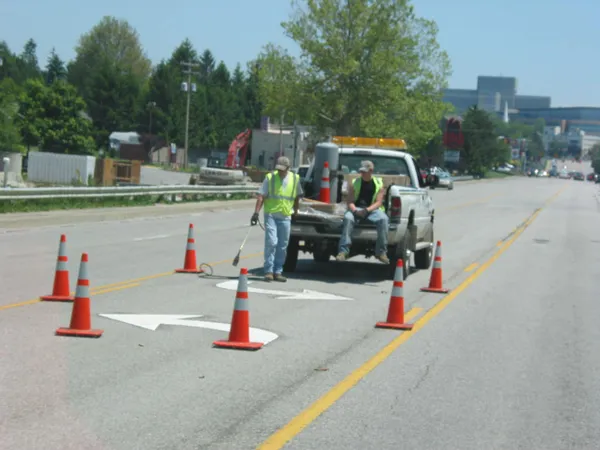
Wet pavement and reduced visibility complicate enforcement and roadwork across major corridors
Periods of rain across metro Atlanta regularly elevate hazards on interstates and state routes, tightening the margin for error for drivers and increasing the risk faced by law enforcement officers and highway construction crews working near live traffic. Transportation officials warn that wet road surfaces, spray from vehicles, and changing traffic patterns in work zones can combine to create fast-developing danger, particularly during commute hours.
Highway work continues in many conditions, including rain, and it often requires lane closures or lane shifts that remain in place regardless of weather. Those changes can surprise drivers when visibility drops or when braking distances increase on wet pavement. Officers frequently assist by positioning vehicles with emergency lights to reinforce lane guidance and slow traffic near active work zones.
Why rain changes the risk equation on Atlanta’s busiest roads
Wet pavement is a major contributor to crashes nationwide, and local impacts can be amplified where traffic volumes are high and interchanges are closely spaced. During steady rain, the most common problems include reduced traction, longer stopping distances, and limited sightlines caused by windshield glare and tire spray. Conditions can deteriorate further where water pools in low-lying areas or where debris and leaves block drainage on surface streets feeding onto highways.
Work-zone constraints: Narrowed lanes, shifting patterns, and barriers leave less room for evasive maneuvers.
Close-quarters exposure: Construction workers and officers may be stationed only feet from moving traffic.
Chain-reaction crashes: Stop-and-go traffic, especially around major junctions, can trigger multi-vehicle collisions when traction is reduced.
Operational steps used to protect roadside personnel
Traffic control in rainy conditions typically emphasizes earlier warnings, clearer lane guidance, and visible enforcement presence. Agencies also monitor road conditions and incidents through operations centers and coordinated response units. On Georgia roads, state transportation resources include roadway monitoring and rapid-response operations designed to identify hazards and support incident management.
Safety in rain depends on predictable driving: slower speeds, increased following distance, and early lane changes when approaching cones, flashing lights, or barriered lanes.
What drivers can do to reduce risk in rain and work zones
Safety officials consistently stress practical steps that lower crash likelihood and protect people working on the shoulder or inside closed lanes. Drivers are urged to slow down, avoid sudden braking and sharp lane changes, and give extra space to emergency vehicles and work crews. When approaching a work zone, motorists should expect lane shifts to persist even if active work is not immediately visible and should watch for workers or equipment entering and exiting the roadway.
When heavy rainfall reduces visibility or water begins to pool, drivers should consider delaying travel where possible and should avoid driving through standing water, which can conceal roadway damage and reduce control. For commuters who must be on the road, the key is to anticipate stops earlier and treat every work zone as active.