Protesters question ICE role in crowd support as Atlanta airport faces prolonged TSA delays
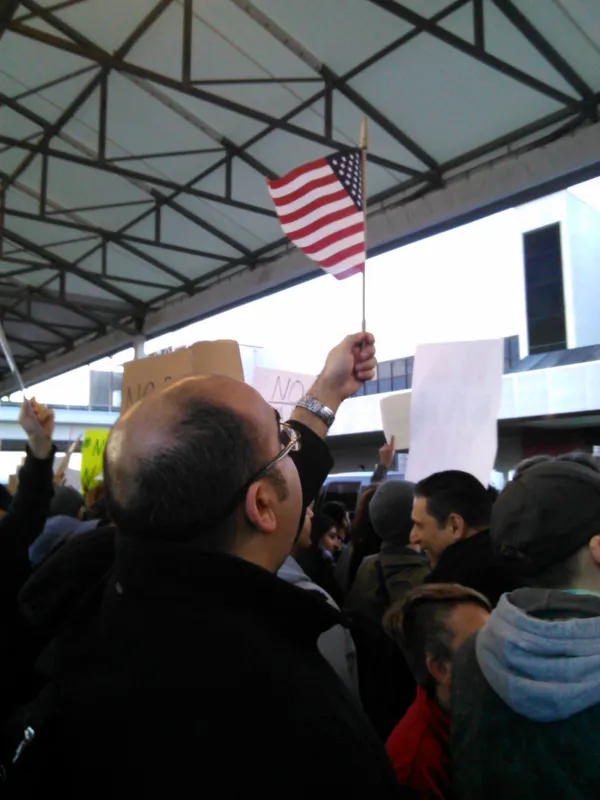
ICE presence at ATL checkpoints becomes flashpoint amid shutdown-driven staffing strains
Hartsfield-Jackson Atlanta International Airport faced extended security lines in recent days as a partial federal shutdown left Transportation Security Administration (TSA) officers working without pay and staffing levels strained. In response, federal immigration personnel were directed to assist with limited duties at airport checkpoints, prompting protests and renewed debate over the role of Immigration and Customs Enforcement (ICE) in public-facing crowd management.
City officials said ICE personnel were expected to support TSA operations focused on line management and crowd control inside domestic terminals, while not conducting immigration enforcement activity as part of the deployment. Travelers were advised to arrive hours earlier than normal during peak congestion as queues stretched through parts of the terminal complex.
What the federal deployment does — and does not — change
Federal law enforcement agencies already operate routinely at major U.S. airports, including customs screening and criminal investigations linked to cross-border activity. The visible placement of ICE officers near TSA checkpoints is less common and has drawn public attention because TSA screening is the primary gateway for domestic air travel.
The operational goal described by officials has been to relieve pressure on checkpoint throughput by assigning personnel to tasks such as monitoring exit lanes and helping manage passenger flow, allowing TSA screeners to focus on screening functions. The move comes as congressional negotiations over Department of Homeland Security funding remain unresolved, leaving broad segments of the homeland security workforce without pay.
Why some groups protested at Atlanta’s airport
Demonstrators objected to ICE involvement in any capacity at the airport, arguing that the agency’s presence in crowded public spaces can deter travel and heighten anxiety for immigrants and mixed-status families, even absent active enforcement. The protests also reflected broader national tensions around immigration enforcement tactics and the visibility of federal agents in day-to-day settings.
Airport demonstrations are subject to restrictions designed to balance speech rights with safety and operational continuity in a high-security transportation hub. ATL maintains a permitting process for First Amendment activity, and airport rules generally limit where and how protests may occur in terminals.
What travelers should expect next
Security wait times can remain volatile as staffing levels fluctuate during a shutdown.
Federal agencies may adjust staffing support at checkpoints based on daily conditions and operational needs.
Public scrutiny is likely to continue as long as immigration personnel remain visible near passenger screening lines.
Airport operations have been shaped simultaneously by staffing disruptions, passenger surges, and heightened sensitivity to the presence of immigration enforcement personnel in public spaces.
For Atlanta, the immediate issue remains restoring predictable security processing at the world’s busiest airport. For policymakers, the episode underscores how federal funding impasses can quickly push operational stopgaps into politically contentious terrain—especially when they involve agencies whose missions are debated far beyond the airport concourse.