Power problem de-energizes MARTA tracks, suspending rail service across key east-west stations in Atlanta
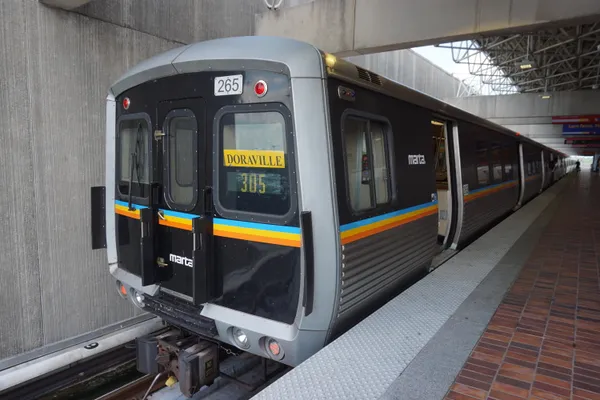
Service interruption hits stations from Candler Park to Five Points
MARTA temporarily suspended rail service at multiple stations Wednesday after a power issue affected portions of the rail system’s trackway, disrupting travel through several of Atlanta’s busiest east-west stops. The interruption involved Candler Park, Inman Park/Reynoldstown, King Memorial, Georgia State and Five Points stations—an arc that includes key transfer points and downtown access.
The disruption reflected a standard safety response for electrically powered heavy rail: when conditions indicate a problem with power delivery to the third rail or related equipment, affected track segments may be de-energized to protect riders and allow crews to assess and restore service.
What riders experienced
With trains not operating through the impacted stations, customers faced delays and re-routed trips during commute periods. The affected cluster includes several closely spaced stations that serve neighborhoods on the east side and connect directly into downtown, where Five Points functions as the system’s central rail hub and a major transfer location.
In similar incidents across the MARTA system, de-energizing track segments can require service suspensions or single-tracking while maintenance teams address the underlying electrical fault and confirm safe operating conditions before full service resumes.
Why power issues can halt rail service
MARTA trains draw propulsion power from an electrified third rail. When the power supply system detects a fault—such as a breaker opening, a short, or another electrical irregularity—sections of track may be shut down so workers can access the right-of-way and equipment without risk of electrocution or unintended train movement.
Electrical events can also ripple through operations beyond the immediate location of the fault, particularly in segments where multiple lines share track or where service patterns depend on downtown interlockings and switching movements.
Operational impacts and passenger guidance
Service interruptions involving stations near downtown typically affect a broad range of trips because riders use the corridor for:
- Connections to central Atlanta destinations, including government, campus and business districts near Georgia State and Five Points
- Transfers between east-side neighborhood stations and the downtown trunk
- Time-sensitive commutes where small disruptions compound into systemwide delays
During power-related disruptions, MARTA routinely adjusts train operations while directing customers to alternative travel options. These can include temporary bus bridges between stations, alternate rail boarding patterns, or advising riders to use parallel lines and transfer points depending on the location and duration of the outage.
Power-related service suspensions are typically tied to safety requirements: crews must confirm the affected trackway is fully de-energized before inspecting and repairing electrical components.
What happens next
Restoration generally requires isolating the fault, repairing or resetting damaged electrical components, testing the system under load, and then gradually returning trains to normal headways. Even after power is restored, residual delays can persist as trains and crews are repositioned and schedules are stabilized across the network.
MARTA’s rail system has experienced intermittent disruptions in recent years tied to infrastructure faults and other incidents, underscoring how electrical reliability and rapid field response remain central to day-to-day performance on a third-rail network.