NWS confirms a tornado in DeKalb County as Monday storms bring localized damage and outages
What was confirmed
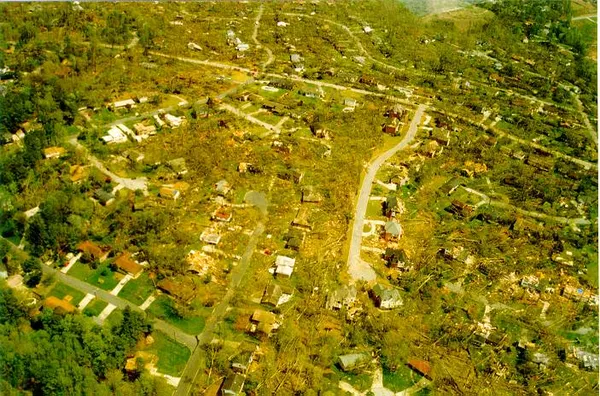
A tornado touched down in DeKalb County during Monday’s round of severe thunderstorms, based on post-storm assessments by National Weather Service survey teams. The confirmation followed reports of concentrated damage consistent with tornado impacts rather than broader straight-line wind damage.
The DeKalb confirmation was part of a wider severe-weather episode affecting the Atlanta metro area. In the same storm system, survey work documented additional tornado tracks in nearby counties, underscoring how rapidly changing wind fields can produce brief, localized tornadoes embedded within larger lines of thunderstorms.
How tornado confirmations are made
After severe weather, meteorologists and damage surveyors evaluate impacts on the ground and compare them with radar data and storm timing. A tornado is typically confirmed when damage indicators show a convergent pattern—trees and debris falling toward a centerline—often paired with radar signatures that support rotation in the parent storm.
When a tornado is confirmed, it is assigned a rating on the Enhanced Fujita (EF) scale, which is based on estimated wind speeds derived from the severity of damage to known structures and vegetation. The rating process does not measure wind directly; it estimates intensity from observed damage.
Impacts reported in DeKalb and the metro area
Monday’s storms brought a mix of hazards common in springtime severe weather: intense rainfall, frequent lightning, and damaging winds capable of downing trees and power lines. Tornado impacts, when they occur, are often narrow in path, producing sharper gradients in damage from one street to the next.
Emergency management officials generally urge residents to treat tornado warnings as immediate life-safety alerts—moving to an interior room on the lowest floor, away from windows—because many metro-area tornadoes are short-lived but can still cause significant structural and tree damage.
What residents can do next
Document property damage with photos before beginning cleanup, and keep receipts for emergency repairs.
Use caution around downed trees and power lines and avoid driving through blocked or flooded roadways.
Review ways to receive warnings, including Wireless Emergency Alerts and local emergency notifications, and identify a shelter location at home, work, and school.
Storm surveys can continue for days as new damage reports arrive, meaning the final count, tracks, and ratings may be updated as assessments are completed.
Survey findings from Monday’s storms are expected to be consolidated as additional field checks conclude, providing a clearer picture of the tornado’s track in DeKalb County and the broader pattern of severe weather across the region.