New nonprofit board formed to deliver Atlanta’s Stitch park over Downtown Connector, mirroring BeltLine model
A governance shift for a long-planned highway cap
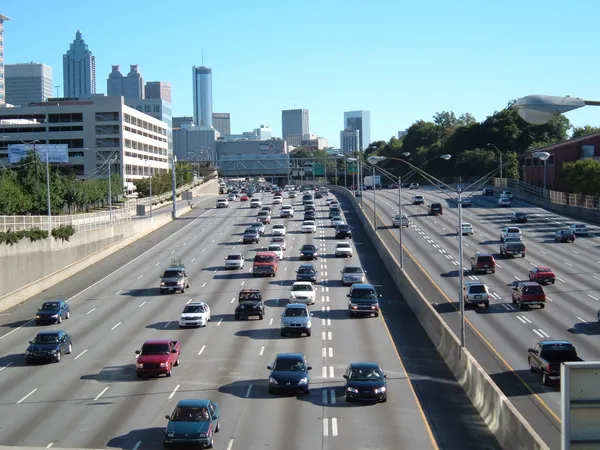
Atlanta’s effort to cap a portion of the Downtown Connector with new parks and streetscape improvements has taken a key organizational step, with the creation of a nonprofit entity intended to steer delivery and long-term management of the project known as The Stitch. The structure is designed to resemble the institutional model used to build and operate the Atlanta BeltLine: a dedicated organization focused on implementation, funding coordination and ongoing stewardship.
The Stitch’s current plan envisions a three-phase buildout that would span roughly three-quarters of a mile over Interstate 75/85, reconnecting parts of Downtown and Midtown long separated by the freeway. The full buildout is now estimated at $713 million and would ultimately create about 14 acres of green space and related public-realm upgrades.
What Phase 1 would build — and where
Phase 1 is centered on the project area between Peachtree Street and Courtland Street, with associated improvements to surrounding streets. The initial cap-and-park segment is planned at roughly five acres, with concepts showing a mix of plazas, garden areas, play spaces and flexible gathering areas. Project materials also describe multimodal street improvements on multiple nearby corridors intended to strengthen pedestrian and bicycle connections into adjacent neighborhoods.
Engineering and design work has been underway since 2024, following planning efforts launched in 2022. The current project schedule targets Phase 1 construction during 2026–2030, though timelines remain dependent on procurement, permitting and finalized funding arrangements for construction and long-term operations.
Funding picture: construction vs. long-term operations
The project’s backers have drawn a clear distinction between capital funds used to design and build Phase 1 and the recurring funds required to operate and maintain a park built above an active interstate corridor. Phase 1 has been described as fully funded for construction through a package of federal grants and local matching dollars, while later phases remain unfunded and would require additional commitments.
Separately, Atlanta City Council has approved a special services district—an added property-tax assessment within a defined area near the project—to support administration, maintenance, security and programming. The proposed assessment is structured to apply to commercial properties and residential rental properties within the district, while excluding owner-occupied homes and tax-exempt parcels.
Federal grant uncertainty reshapes the timeline
The Stitch’s momentum has been complicated by shifting federal policy. Local officials have said the project lost a major portion of previously announced federal construction funding, leaving design work and “shovel-ready” engineering as the near-term priority while leaders pursue replacement dollars. Project representatives have publicly stated an objective of completing Phase 1 engineering, permitting and approvals by mid-2026.
What happens next
- Finalize interagency agreements among the city, transportation agencies and district partners for construction oversight.
- Advance federal and state permitting steps required for building over an interstate.
- Secure a stable long-term operations plan tied to the special services district and nonprofit governance.
- Develop a financing strategy for Phases 2 and 3, which remain unfunded.
The project’s stated goal is to reconnect neighborhoods divided by the Downtown Connector while adding new civic green space and safer multimodal connections at the northern edge of Downtown.
With a dedicated nonprofit board in place, the next year is expected to focus less on visionary renderings and more on execution: permitting, procurement, and locking in the funding and management framework needed to start work in the field.