Metro Atlanta students stage coordinated walkouts as national protests target immigration enforcement and federal policies
Walkouts planned across schools and campuses
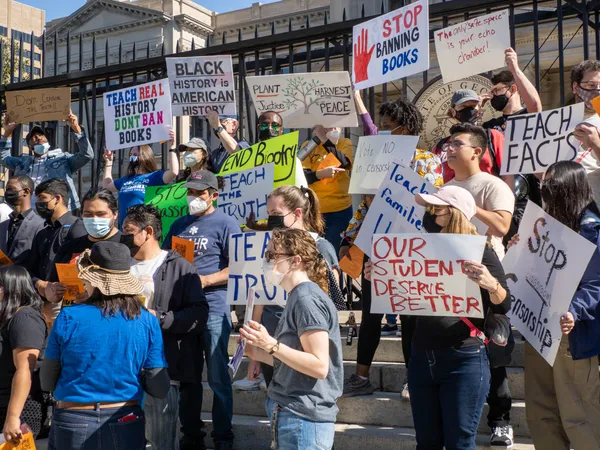
Students at multiple metro Atlanta high schools and colleges organized walkouts Tuesday, Jan. 20, 2026, aligning local demonstrations with a broader national day of action. The walkouts were planned as time-specific departures from classes and, in some cases, from workplaces and commercial activity, reflecting a strategy of coordinated disruption rather than a single-location rally.
In metro Atlanta, the planned participation included students at Kennesaw State University and organizers who said walkouts were expected across a wider list of Georgia schools. A separate event listing for a walkout in Atlanta placed the gathering at 2 p.m. near the Georgia State Capitol, framing the action as part of a nationwide “Free America Walkout.”
What protesters say they are responding to
Organizers tied the national actions to opposition to immigration enforcement and to federal policy directions more broadly. In public event descriptions and national planning materials, the walkout was promoted as a response to intensified immigration enforcement activity, as well as other policy areas cited by organizers, including health care and gender-affirming care.
The protests were scheduled for Jan. 20, which also marks the anniversary of President Donald Trump’s inauguration. National organizers described the date as a focal point for a weekday walkout intended to show scale through participation at schools, workplaces and public spaces.
Local context: schools, attendance and community concerns
The walkouts unfolded amid heightened concern among some educators and families about the effects immigration enforcement can have on student attendance and a sense of safety. In Gwinnett County, educators recently raised concerns that fear tied to immigration enforcement activity was keeping some students from coming to school, and urged county officials to review how cooperation with federal authorities affects the school environment.
School districts in metro Atlanta have periodically faced questions over how to handle student walkouts—balancing students’ desire to demonstrate with policies governing attendance and campus safety. In previous large-scale school walkouts in the region on other issues, districts varied in their approaches, ranging from structured, supervised demonstrations to warnings about discipline for leaving class without authorization.
How the actions are expected to unfold
Student participants planned to leave class for a defined period and gather in designated areas, including public spaces downtown.
Organizers promoted a synchronized start time of 2 p.m. local time for many actions nationwide.
Local participation was expected to differ by campus and school based on student organizing, administrative guidance and the presence of supervised gathering sites.
Walkouts have become a recurring tool for student-led civic action, with participation levels and administrative responses varying widely across districts and issues.
As the walkouts proceed, key questions for school communities include the extent of participation, how districts document attendance impacts, and whether the events lead to follow-up meetings or policy discussions involving students, school leaders and local officials.