Metro Atlanta pollen levels reach extreme range as warmer spring temperatures accelerate tree pollination
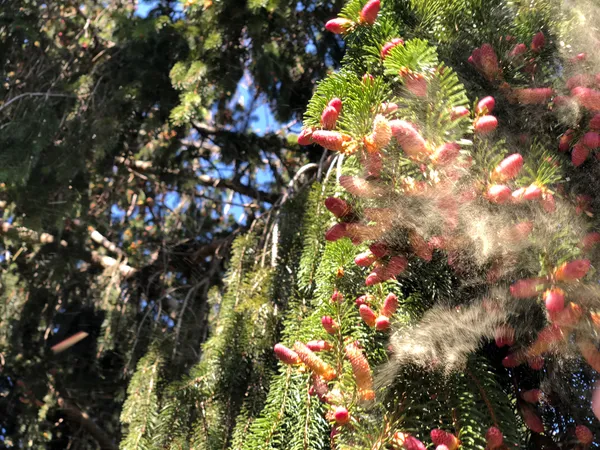
Extreme pollen day reported as spring warmth builds
Metro Atlanta recorded an extreme pollen day Monday, March 23, 2026, with a measured total of 6,563 pollen grains per cubic meter of air over the prior 24 hours. The reading places the region firmly in the “extremely high” range used locally to describe days when airborne pollen is likely to affect a broad share of residents, including people without a prior allergy diagnosis.
The latest figure follows several large spikes earlier this month. Daily readings rose sharply on March 12 (3,226), March 16 (4,241), March 22 (2,792) and then climbed again to the March 23 level. The pattern is consistent with a spring season in which temperature swings can accelerate plant development and concentrate pollen releases into short windows.
What’s driving the surge
Tree pollen is typically the dominant allergen in Atlanta during late winter and early spring, with the peak period commonly extending from the second half of March into late April. When warm, dry and breezy conditions align, pollen can accumulate rapidly in the air and on outdoor surfaces. Rain can provide temporary relief by washing pollen out of the air, though levels can rebound quickly when dry weather returns.
Atlanta’s daily pollen count is based on a 24-hour collection and is reported as grains per cubic meter of air, reflecting what residents were exposed to over the preceding day. The count is produced through a certified station in the metro area that reports totals and identifies major contributing categories such as trees, grasses and weeds as the season progresses.
Health impacts and who is most at risk
High and extreme pollen days can intensify symptoms of allergic rhinitis, including sneezing, congestion, runny nose and itchy or watery eyes. Pollen can also aggravate asthma, increasing coughing, wheezing and shortness of breath for some patients. Clinicians generally advise that people with asthma follow their treatment plans closely during high-pollen periods and seek medical care if symptoms escalate.
Steps residents can take to reduce exposure
- Keep windows closed at home and in vehicles during high-pollen days.
- Shower and change clothes after spending time outdoors to remove pollen from skin and hair.
- Use high-efficiency filtration where available and consider changing HVAC filters as recommended.
- Limit extended outdoor activity when symptoms are active, especially during periods of noticeable pollen haze.
- Use medications as directed by a healthcare professional; those with persistent symptoms may benefit from evaluation and targeted treatment.
The March 23 reading highlights how quickly pollen exposure can shift in metro Atlanta during the spring transition, with multiple extreme days occurring within a single month.
With late March marking the start of the region’s typical peak window for tree pollen, additional high readings remain possible in the coming weeks, particularly during warm and dry stretches.