Metro Atlanta church launches food collection as unpaid TSA screening staff face prolonged shutdown pressures
A local response to a federal pay interruption
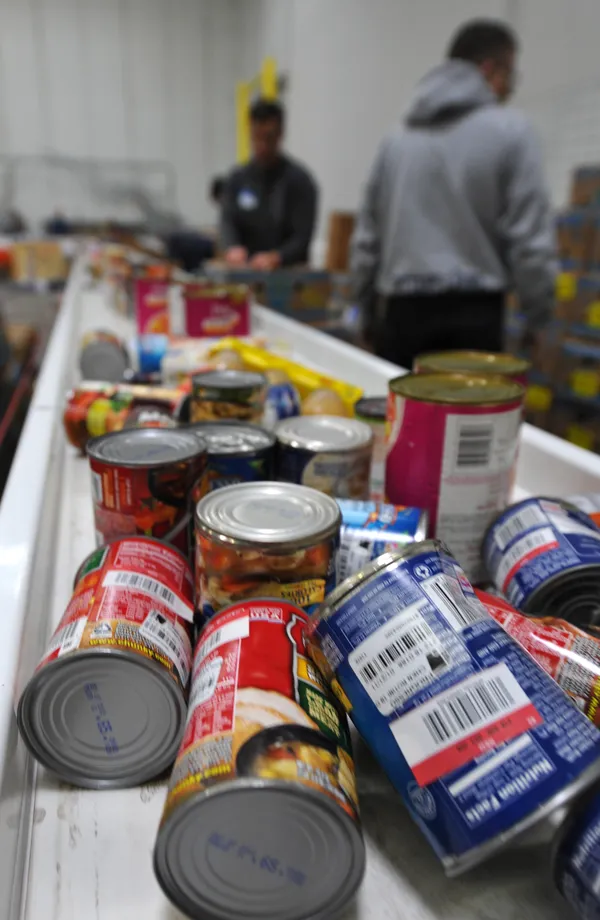
A Metro Atlanta church has begun collecting food donations for Transportation Security Administration (TSA) employees who are reporting to work without pay during a lapse in U.S. Department of Homeland Security funding. The effort reflects a wider pattern seen during shutdowns: local institutions stepping in as essential federal workers continue reporting for duty while paychecks are delayed.
TSA officers are classified as essential personnel and are required to keep screening passengers and baggage even when funding has expired. While the air-travel system continues to operate, the financial strain on frontline staff can quickly become a community issue in a region anchored by Hartsfield-Jackson Atlanta International Airport, one of the world’s busiest airports and a major local employer.
What the shutdown means for airport security operations
When appropriations for Homeland Security lapse, TSA operations generally continue because most positions are designated essential. However, employees can be forced to work without pay until a funding agreement is reached and back pay is authorized and processed. The practical effects tend to build over time: hardship for workers can affect staffing stability, and travelers may face longer security lines as absenteeism increases or as airports adjust checkpoint operations.
Industry groups and aviation analysts have repeatedly warned that prolonged funding interruptions increase the risk of longer wait times at security checkpoints, particularly at large hubs. Even when flights continue to run on schedule, pressure on screening staff can create downstream effects for travelers and airport vendors.
Atlanta-area workers seeking stopgap relief
In the Atlanta area, airport-related relief discussions have included measures such as meal vouchers, parking assistance, and discounts at airport vendors. But local efforts to provide benefits to federal employees can run into constraints, including federal ethics rules that govern gifts to government workers and the logistics of distributing aid within airport environments.
TSA employees at Hartsfield-Jackson have described immediate concerns tied to routine expenses such as rent and car payments while they continue working during the funding lapse.
How the church’s food drive fits into a broader safety-net landscape
The church-led food collection is aimed at meeting an immediate need with tangible, non-cash assistance. Food donations are a common form of aid during shutdowns because they can be distributed quickly and can reduce household expenses without creating the same compliance questions that may arise with direct financial support.
Metro Atlanta already has an extensive network of food assistance providers—community food banks, pantries, and faith-based programs—that typically serve households facing chronic food insecurity. A shutdown adds a distinct, short-term population: employed workers whose income is interrupted despite continued work obligations.
What happens next
For TSA employees: relief efforts are expected to remain focused on essentials—food, transportation, and temporary expense reduction—until funding is restored and payroll normalizes.
For travelers: the most common near-term impact is the potential for longer screening lines as the shutdown persists, especially during peak travel periods.
For local institutions: churches and nonprofits may see increased demand from households affected by the pay interruption, alongside their existing caseloads.
The continuation of the food drive—and the scale of need it addresses—will largely depend on how long the funding lapse lasts and how quickly back pay reaches workers once the shutdown ends.