Meals on Wheels Atlanta faces rising senior hunger as costs climb and volunteer deliveries stay essential
A growing need, built on daily deliveries
Meals on Wheels on Atlanta delivers prepared food to older adults who are homebound or have limited ability to shop and cook, a service that also functions as a routine wellness check. The organization’s client base runs in the hundreds, reflecting a level of need that has been rising alongside the region’s aging population and persistent food insecurity among seniors.
Across metro Atlanta, the broader aging-services network reports large-scale demand for nutrition support. In fiscal year 2023, the Atlanta Regional Commission’s Aging & Independence Services delivered a combined 927,048 home-delivered and group meals across the 10-county region, illustrating both the size of the challenge and the reliance on meal programs to support aging at home.
Costs and capacity pressures are tightening
Meals on Wheels Atlanta has described a cost structure that makes expansion difficult without additional resources. Serving a single client for a year has been estimated at roughly $5,000, reflecting the cumulative expense of food, packaging, labor, delivery logistics and program overhead. Those costs have been pushed higher by inflation and elevated prices for food and other supplies, creating a squeeze between the number of seniors who qualify for help and the number that can be served consistently.
Local capacity is also shaped by the availability of drivers and other volunteers. In many Meals on Wheels models, volunteers provide the majority of delivery labor, reducing operating costs while enabling regular person-to-person contact. When volunteer availability declines, programs can be forced to rework routes, add staff time, or limit how quickly they can add new clients.
More than food: safety checks and social connection
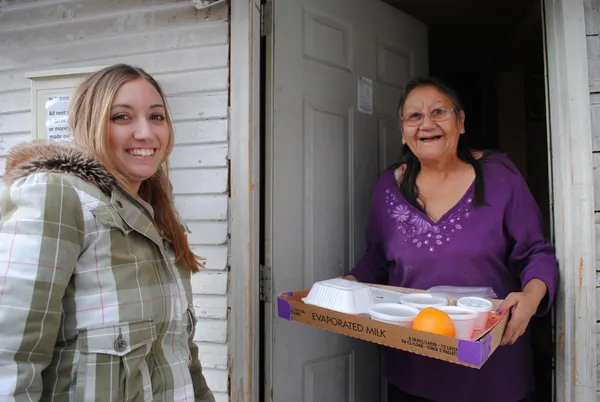
Home-delivered meals are widely treated as both nutrition support and an intervention against isolation. A knock at the door can serve as a brief wellbeing check, and for some seniors it may be the most dependable daily contact they receive. That combination can be especially important for older adults managing chronic conditions, mobility limitations, or cognitive decline.
For many recipients, meal delivery is a predictable routine that combines food, a brief check-in, and a connection to other services when needed.
What the numbers imply for Atlanta’s near future
Demographic projections for the Atlanta region point to a substantially larger older-adult population in the coming decades, intensifying demand for nutrition and in-home supports. Even without sudden changes, the scale of meal delivery already required—hundreds of thousands of meals annually across the region—suggests that sustaining service levels will depend on stable funding streams, reliable volunteer recruitment, and continued coordination among local nonprofits and public agencies.
- Meals on Wheels Atlanta continues serving hundreds of seniors while facing cost and demand pressures.
- Metro-area meal totals indicate region-wide reliance on home-delivered nutrition services.
- Volunteer delivery capacity remains a critical operational factor for maintaining and expanding routes.