Joshua Bennett’s new book-length poem links kinship, Black Atlanta history and Martin Luther King Jr.
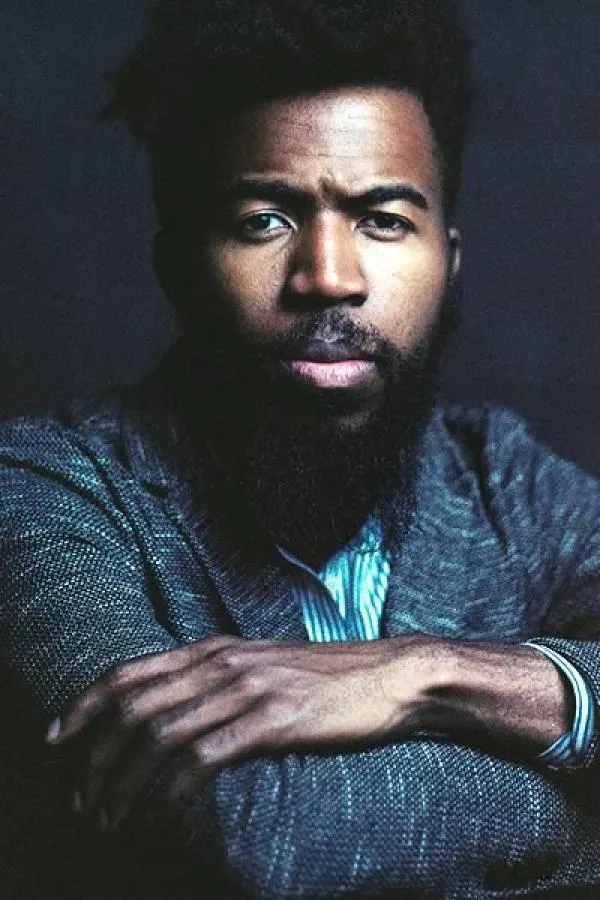
A new American epic arrives amid the 250th anniversary year
A new book-length poem by poet and scholar Joshua Bennett places Black Atlanta and the legacy of the Rev. Dr. Martin Luther King Jr. inside a wide-ranging meditation on collective life in the United States. Titled We (the People of the United States), the 112-page work is scheduled for release on March 17, 2026, in paperback, ebook and audiobook formats.
The poem’s publication date lands in a year marked by national reflection, as 2026 corresponds with the United States’ 250th anniversary. Bennett frames the project as a contemporary long-form poem structured in 55 sections, drawing together historical figures, cultural references and scientific ideas into a single sequence.
Atlanta and King positioned within a larger chorus
In a recent discussion tied to Martin Luther King Jr. Day, Bennett highlighted an excerpt dedicated to King and described why Atlanta—a city closely associated with King’s life and leadership—figures prominently in the poem’s landscape. The book uses multiple points of reference to explore what collective identity can mean across generations, placing civic memory alongside family narrative.
The poem’s cast spans well beyond Atlanta and the civil rights era. The published description lists a range of subjects and names, including writers such as Gwendolyn Brooks and Zora Neale Hurston, musician Sun Ra, and cultural touchstones such as The Beach Boys and The Jackson 5, alongside themes as varied as experimental physics, Mars and the invention of the typewriter.
Classical architecture, modern concerns
Bennett’s structure is explicitly dialogic with the classical tradition. The book description says the poem draws on Virgil’s Georgics as a lens for exploring family, American thought and the nation’s relationship to the natural world. The emphasis on “kinship, collectivity, and environmental thought” signals an attempt to connect civic language to lived experience, including the ecological dimensions of contemporary life.
What readers can expect
A book-length poem divided into 55 sections.
A narrative approach that combines personal and national history.
References that move across Black cultural history, U.S. public life, popular music and scientific inquiry.
Extended attention to Martin Luther King Jr. and Atlanta within a broader American frame.
The project is presented as an effort to revisit the meaning of “we” in American life, using a mosaic of characters and subjects to connect public memory with private lineage.
Bennett, a professor of literature and humanities chair at the Massachusetts Institute of Technology, has previously published multiple poetry collections and a cultural history of spoken word. With We (the People of the United States), he turns to the epic mode—compressed into a modern, sectional form—to examine how a nation narrates itself, and how Atlanta’s Black history and King’s legacy continue to shape that story.