How Atlanta’s SwemSchool expands swimming access and water safety amid persistent child drowning risks
A public-safety problem with unequal access to solutions
Drowning remains one of the most urgent — and preventable — public safety threats for young children in the United States. National public-health data show that children ages 1 to 4 die from drowning more than from any other cause of death, and that drowning is the second-leading cause of unintentional injury death for children ages 5 to 14. Annual totals exceed 4,000 unintentional drowning deaths nationwide, alongside thousands of nonfatal incidents that can result in long-term injury.
In metro Atlanta, SwemSchool has positioned its work around the intersection of those national trends and local barriers: limited access to swim instruction, uneven availability of pools, and the cost and transportation hurdles that can keep families from consistent lessons.
What SwemSchool offers, and how enrollment is structured
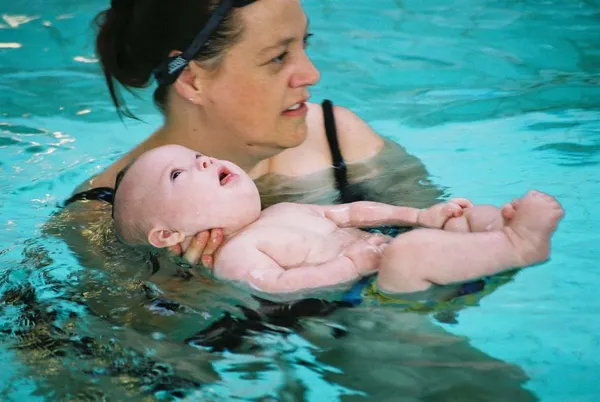
SwemSchool operates year-round swim instruction for both children and adults, offering private, semi-private, and group lessons. The school’s programs include parent-and-tot instruction, toddler classes, youth lessons, and adult programming designed for beginners as well as swimmers building endurance and technique. SwemSchool also offers water fitness, workshops and certifications focused on water safety and CPR, and seasonal camps.
The school’s enrollment model is built around ongoing weekly lessons rather than fixed session start dates. Families select a class type and schedule, register for monthly packages that typically include one lesson per week, and can begin at any time. Operationally, the approach is intended to reduce waiting periods that can delay skill-building, particularly ahead of peak swimming months.
A mission framed around inequities and prevention
SwemSchool’s stated mission is “swimming and water safety for everyone,” with a focus on addressing inequities and prioritizing safety. The organization identifies drowning prevention as a core objective and emphasizes instructor credentialing as a safety measure; the school says its instructors are certified through the American Red Cross.
SwemSchool also publicly identifies itself as a 501(c)(3) nonprofit organization, a structure that can enable scholarship fundraising and partnerships that lower the cost of instruction for families who may otherwise be priced out of swim lessons.
Relationship to SwemKids and the wider access strategy
SwemSchool is connected to the SwemKids initiative, which focuses on introductory swimming lessons and water-safety skills for communities that experience higher rates of drowning. SwemKids reports that it removes common barriers by providing transportation, free lessons in some settings, and swim gear. The program also states it has taught more than 2,100 Black youths in metro Atlanta how to swim and has pursued partnerships to sustain access when pool availability changes.
- Year-round lesson availability designed to improve continuity
- Programming across ages, including adults learning for the first time
- Operational emphasis on safety training and certified instruction
- Access model tied to partnerships, transportation solutions, and gear support in community programming
Drowning is often fast and silent; prevention depends on supervision, safer environments, and skill-building that starts before emergencies occur.
Taken together, SwemSchool’s instructional model and SwemKids’ community access efforts reflect a strategy aimed at turning swim lessons into a routine public-safety intervention — not a luxury — for Atlanta families.