How Atlanta’s January 1973 ice storm crippled the region and reshaped winter-weather readiness
A defining winter emergency for metro Atlanta
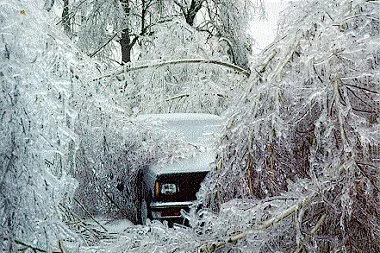
In early January 1973, a prolonged episode of freezing rain and sleet produced one of the most damaging ice storms to strike Atlanta and North Georgia in the modern record. The storm unfolded over January 7–8, 1973, leaving widespread ice accretion that snapped tree limbs, brought down power and telephone lines, and rendered many roads impassable across the region.
Historical accounts of the event describe ice accumulation exceeding an inch in parts of northern Georgia, with outages so extensive that hundreds of thousands of customers were left without electricity. Restoration in some areas took days, and in the hardest-hit pockets, power was out for roughly a week. The economic toll was significant for the time: damage estimates for the storm were placed around $25 million in 1973 dollars, reflecting both infrastructure losses and disruption to daily life.
Infrastructure failure and daily disruption
The storm’s primary impacts flowed from the physics of ice loading: as glaze ice accumulated on branches and overhead lines, the added weight triggered cascading failures. Downed trees and poles blocked streets and complicated repair work, while severed phone lines hindered communication at a moment when residents and agencies were trying to coordinate assistance and safety responses.
Schools and public services were widely interrupted. In some districts, closures lasted more than a week, underscoring how long recovery can take when ice damage is dispersed across a large metro area and crews must work around blocked roads and hazardous lines.
- Road travel became dangerous or impossible on untreated surfaces as ice locked in place.
- Falling trees and limbs created localized emergencies and hazards for pedestrians and vehicles.
- Extended power loss affected heating, food storage, and access to information.
Why the 1973 storm still matters
Atlanta’s climate makes major ice storms relatively infrequent, but the 1973 event illustrates how high-impact winter weather can overwhelm a region that typically faces fewer days of subfreezing precipitation than colder parts of the country. The episode remains a benchmark for the metro area because its disruption was driven not by deep snow totals, but by ice—often the more destructive winter hazard for power distribution, trees, and transportation.
Ice storms can leave a longer recovery footprint than snow events because damage to trees and overhead utilities persists after precipitation ends.
A brutal winter, not an isolated incident
The January 1973 ice storm also occurred during a winter remembered for additional severe weather in the Southeast. About a month later, a major snowstorm spread heavy snow into parts of Georgia and neighboring states, reinforcing how quickly conditions can shift in the region when cold air at the surface collides with Gulf-sourced moisture aloft.
More than five decades later, the 1973 storm remains a reference point for emergency planners, utilities, and residents assessing how Atlanta can be affected when ice—rather than snow—becomes the dominant winter threat.