How Atlanta and Nearby Counties Are Using Zoning, Moratoriums and Permits to Slow Data Center Growth
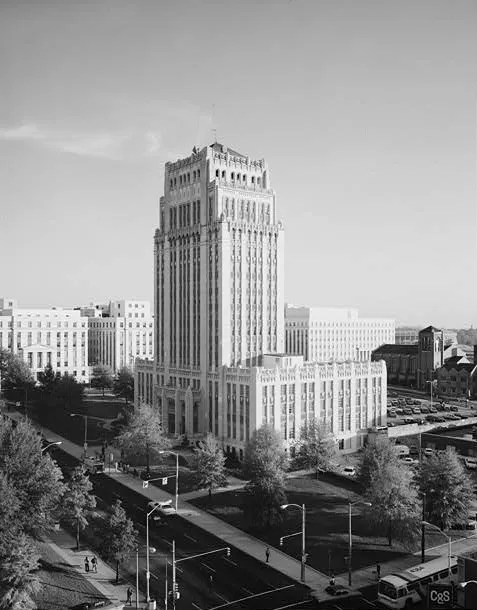
A fast-growing industry meets rising local pushback
Metro Atlanta has become one of the nation’s fastest-expanding markets for data centers—large, industrial-scale facilities that house servers powering cloud computing, online services and artificial intelligence workloads. As proposals multiply, residents and local governments across the region are increasingly using zoning rules, permitting requirements and temporary moratoriums to slow or reshape where these projects can be built.
Atlanta’s approach: targeted bans and tighter permitting
In the City of Atlanta, elected officials have moved to keep data centers out of areas planned for dense, walkable development. In September 2024, the City Council approved restrictions prohibiting new data centers near the Atlanta BeltLine corridor and within a half-mile of MARTA rail stations, positioning transit-oriented districts for housing, mixed-use development and public-realm investment.
In June 2025, the City Council unanimously expanded its regulatory stance by tightening zoning requirements for proposed data center projects and requiring developers to seek a special-use permit before construction. The same action barred new data center projects in Little Five Points and East Atlanta Village, adding to a list of neighborhoods where similar prohibitions had already been adopted.
Atlanta’s decisions have been accompanied by debate over land use priorities—particularly whether large, low-employment, infrastructure-heavy facilities should occupy scarce urban parcels that could support housing and neighborhood-serving development.
County playbook: temporary pauses while ordinances are rewritten
Outside the city limits, county governments have increasingly relied on time-limited moratoriums to pause new applications while they evaluate infrastructure constraints and rewrite local codes. In March 2025, Douglas County adopted a 90-day moratorium amid a growing number of proposals. In May 2025, Coweta County followed with a 180-day moratorium to review policies and zoning standards as it confronted a surge of large-scale projects and public opposition.
DeKalb County adopted a 100-day moratorium in 2025, and commissioners later extended restrictions on new data center development through June 23, 2026, citing the need for additional analysis and community input.
In Troup County, commissioners approved a 90-day moratorium effective September 16, 2025, pausing a wide range of applications tied to data center development in unincorporated areas while the county studied possible Unified Development Ordinance updates.
What communities are raising—and what governments are weighing
- Infrastructure load: electricity demand, substation access, and grid buildout timelines.
- Local impacts: noise, lighting, stormwater runoff, traffic, and buffering from homes and schools.
- Resource use: concerns about water needs for cooling in some facility designs.
- Public finance: potential tax revenue weighed against costs, including utility investments and service demands.
Across metro Atlanta, the central policy question has shifted from whether data centers will be built to how, where, and under what conditions local governments will allow them.
Statewide energy planning adds pressure to local decisions
Local land-use fights are unfolding as Georgia’s energy planning adapts to rapidly rising power demand linked to data centers. In late 2025, state utility regulators approved a major generation expansion plan designed largely to serve projected data center load growth—an approval that intensified debate over who ultimately pays for new capacity and how quickly infrastructure can be delivered.
For communities around Atlanta, that broader buildout has made zoning and permitting a primary lever for controlling the pace and geography of development while longer-term standards are written.