Frontier flight to Atlanta isolated after reported onboard threat, prompting law enforcement response at Hartsfield-Jackson
What happened and how the response unfolded
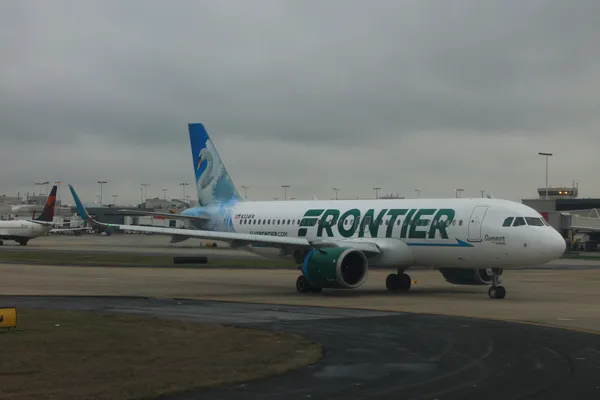
A Frontier Airlines flight arriving at Hartsfield-Jackson Atlanta International Airport was met by a security response after a reported onboard threat triggered emergency procedures. The aircraft was directed away from the main terminal area and positioned at a remote location as authorities assessed the situation and worked to protect passengers, crew and airport operations.
The incident drew attention after initial reports described it as a possible “hijacking” concern. In aviation practice, pilots and dispatchers use standardized alerting and threat-reporting processes that can be triggered by a range of events, including verbal threats, disruptive conduct, or information that cannot be immediately verified while the aircraft is in motion. In such situations, crews may request priority handling and coordination with airport and federal partners.
Remote stand procedures: why aircraft are moved away from terminals
When an inbound aircraft is treated as a potential security risk, airports commonly use remote parking areas to create distance from crowded terminal spaces and critical infrastructure. That approach allows law enforcement to control access, stage specialized resources, and conduct checks without concentrating people or vehicles near gates.
For passengers, the practical impact can include delays in deplaning, temporary holds on baggage handling, and controlled movement off the aircraft while the response is underway. For the airport, these events can also affect taxi routes and gate availability, particularly during busy arrival banks.
How “possible hijacking” reports can emerge
Public-facing descriptions of aviation security events can be confusing because early labels often reflect uncertainty rather than a confirmed scenario. A “possible hijacking” characterization can surface when flight crews communicate an unverified cockpit-security concern, a threat is relayed through onboard channels, or authorities treat the situation as worst-case until it is resolved.
Separately, the transponder code often associated in public discussion with unlawful interference is part of standard emergency communications. It is one of several ways that crews can discreetly signal abnormal conditions to air traffic control, but it does not by itself confirm the nature of an incident.
What is known so far and what remains unconfirmed
The flight arrived in Atlanta and was handled as a security event, with the aircraft moved to a remote area and authorities responding.
Early accounts described the situation as involving a serious onboard threat; however, public information has not consistently distinguished between a hijacking concern and other security triggers.
Details such as the precise nature of the threat, any arrests, and findings from searches or interviews were not fully established in initial public reporting.
In aviation security incidents, initial reports can be revised as authorities confirm facts through interviews, evidence checks and on-scene assessments.
Context: aviation security and disruptive behavior
In recent years, U.S. airlines and airports have faced a steady stream of security-related disruptions that range from unruly passenger incidents to threats that later prove non-credible. Each report is treated seriously because even a single credible event can carry catastrophic risk, and because rapid decision-making is required while an aircraft is airborne or taxiing.
Any investigation into this incident would typically involve local airport law enforcement as well as federal agencies with aviation-security responsibilities, with findings potentially influencing future handling of similar reports.