Flight cancellations surge at Atlanta’s Hartsfield-Jackson as winter storm and FAA delays disrupt schedules
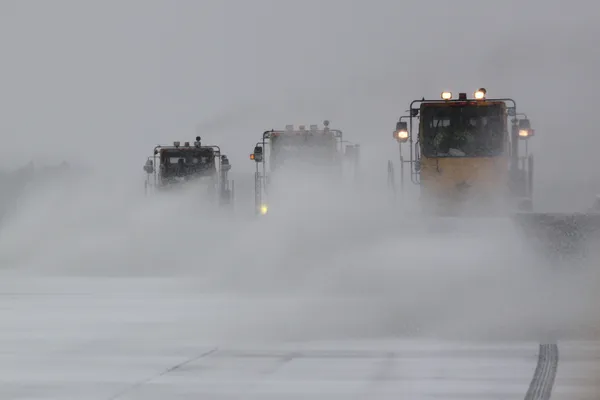
Hundreds of flights scrubbed as ice and network impacts spread beyond Georgia
Flight cancellations mounted rapidly Sunday at Hartsfield-Jackson Atlanta International Airport (ATL), one of the nation’s busiest connecting hubs, as an ice-producing winter storm pushed into north Georgia and disrupted airline and air-traffic operations.
By mid-morning Sunday, 1,052 departures and arrivals scheduled for the day at ATL had been canceled, a figure that climbed as airlines adjusted schedules in response to changing conditions. Delta Air Lines, the airport’s dominant carrier, accounted for most of the cancellations, reflecting how disruptions at a hub can cascade through a carrier’s wider network.
FAA delay programs added to the strain
In addition to airline-driven schedule reductions, federal air-traffic managers implemented a ground delay affecting departures from ATL. The advisory indicated average waits approaching two hours for takeoff, with expected delays varying by departure time and some projected to stretch beyond three hours. Such programs are typically used to meter traffic when weather or airport capacity constraints reduce safe throughput.
Why cancellations compound quickly at ATL
At a hub airport, even localized hazards—such as freezing rain that slows ramp operations and de-icing—can produce an outsized national effect. When inbound aircraft and crews do not arrive as planned, airlines often cancel later flights rather than operate heavily delayed schedules that would strand aircraft and crews away from where they are needed next.
Ice accumulation can slow or temporarily halt ground handling, including baggage movement, fueling, and aircraft pushback.
De-icing demand rises sharply during freezing precipitation, increasing turnaround times and reducing the number of flights the airport can process per hour.
Missed connections at a major hub can ripple across dozens of downstream routes as aircraft rotations are disrupted.
Passenger options: rebooking and refunds
Airlines issued winter-weather waivers covering ATL and other affected cities through Monday, allowing many passengers to change travel plans without the usual fees or fare differences within specified windows. Delta said it would automatically move impacted customers to the next available itinerary when possible, while also outlining refund eligibility for certain long delays and for customers who decide not to travel.
Travel demand and limited seat availability can make same-day rebooking difficult during major weather events, particularly when multiple hub airports are affected simultaneously.
What to watch next
Operational recovery depends on how quickly conditions improve and how efficiently airlines can reposition aircraft and crews. With winter impacts extending across large portions of the country, ATL’s ability to restore a normal schedule will also be influenced by constraints at other airports feeding flights into Atlanta.