FIFA Releases Nearly 1,000 Atlanta Hotel Rooms, Easing Early World Cup Lodging Pressure For Fans
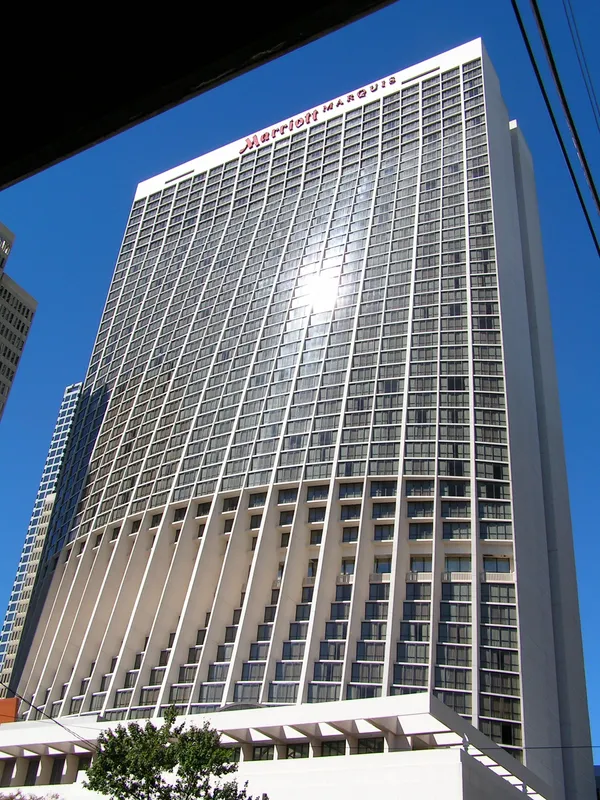
Room-block rollback reshapes Atlanta’s lodging picture ahead of World Cup matches
FIFA has cancelled a sizable portion of its pre-arranged hotel room blocks in Atlanta for the 2026 FIFA World Cup, returning close to 1,000 rooms to general inventory. The move aligns with similar reductions reported in other host markets in recent days, as the tournament’s operational lodging needs are refined closer to the event.
Hotel room blocks are commonly contracted years in advance for large events to guarantee capacity for teams, officials, broadcast partners, sponsors, and tournament staff. In practice, those blocks are often adjusted as match operations, staffing plans, and travel patterns become clearer. The latest cancellations indicate that at least part of the earlier projected demand in Atlanta will not be absorbed through FIFA-controlled lodging.
What it could mean for ticketed visitors and price dynamics
For fans still planning travel, the timing matters. Releasing rooms in late March 2026 expands the number of bookable options during a period when many hotels have been holding inventory or setting stricter booking rules. Hospitality analysts say that when previously restricted rooms re-enter the market, it can moderate price pressure and improve availability, particularly for travelers who book after tournament schedules and personal plans are finalized.
At the same time, the change does not eliminate the risk of high rates or minimum-stay requirements around matchdays. Hotels routinely use length-of-stay rules during peak events to manage demand, and pricing remains sensitive to ticket sales, travel capacity, and how many visitors choose hotels versus short-term rentals or day trips.
Atlanta’s hotel supply is growing, but demand will be concentrated
Atlanta has added hotel capacity in the run-up to the World Cup, including major downtown projects tied to the city’s convention and sports corridor. Industry projections anticipate thousands of additional rooms coming online by 2026, increasing the city’s ability to absorb surges around marquee matches. Still, demand is expected to cluster tightly around game dates and areas near Mercedes-Benz Stadium and the Georgia World Congress Center.
- FIFA’s cancellations return a significant number of rooms to public sale in the Atlanta market.
- Hotel availability may improve for later-booking fans, depending on matchday demand and remaining contract holds.
- Rates and minimum-stay rules can still tighten around high-demand dates, even with added inventory.
What travelers should watch next
The primary indicator of lodging conditions will be how quickly the released inventory is absorbed once it appears on booking channels, and whether hotels relax stay restrictions as dates approach. Further adjustments are also possible: major event rooming plans can continue to shift into late spring and early summer.
Key near-term variables include ticket allocation timing, tournament staffing plans, and how many visitors commit to multi-city itineraries versus single-match travel.
For Atlanta’s hospitality sector, the rollback is a reminder that World Cup demand is real but uneven, shaped not only by global interest in the tournament, but also by how operational needs translate into booked room nights.