Delta São Paulo–Atlanta flight returns safely after reported left-engine malfunction shortly after takeoff Sunday night
Incident prompts precautionary return to Guarulhos
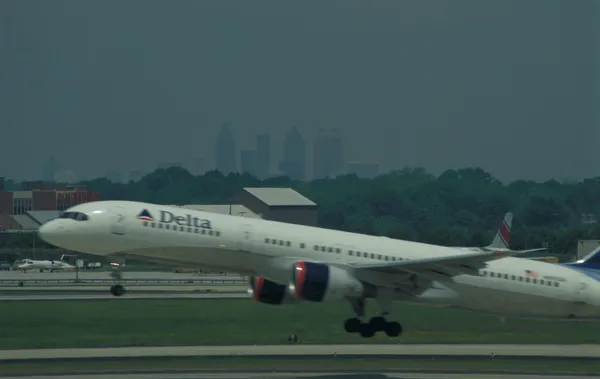
A Delta Air Lines flight scheduled from São Paulo to Atlanta returned to São Paulo/Guarulhos International Airport late Sunday, March 29, after the crew reported a mechanical problem involving the aircraft’s left engine shortly after departure. The aircraft landed safely and was met by airport rescue and firefighting vehicles as a standard precaution during engine-related events.
The flight was operating as a long-haul service from Brazil to Georgia. The aircraft involved was reported as an Airbus A330-300. Local reporting in Brazil described the event as occurring moments after takeoff, with the return taking place shortly afterward. No injuries were reported in connection with the landing.
What is known about the aircraft response
In engine-abnormal events occurring near takeoff, crews may level off, troubleshoot using checklists, and coordinate with air traffic control for priority handling. Returning to the departure airport is common when performance, terrain, and available services favor an immediate landing at the nearest major facility with runway length, emergency response capability, and maintenance support.
Because the flight was departing on an international sector, the aircraft would typically be carrying significant fuel. When a heavily fueled aircraft returns shortly after takeoff, crews may take additional time to configure for landing, manage performance margins, and ensure braking and tire temperatures remain within limits. Airports routinely position rescue vehicles for these arrivals even when no fire is confirmed on the ground.
Operational impact for passengers and airport activity
After landing, passengers were transported from the aircraft to the terminal area, and the flight did not continue to Atlanta as originally scheduled. Airlines typically rebook travelers onto later departures or partner itineraries, and may substitute an aircraft after maintenance inspection is completed.
Such incidents can also disrupt airport operations. A return landing can require temporary runway or taxiway restrictions, spacing adjustments for arriving traffic, and additional coordination for ground movement once emergency vehicles are staged and the aircraft clears active movement areas.
Next steps: inspection and review
The immediate focus following an engine-related return is a technical inspection to determine the initiating fault—ranging from sensor indications to mechanical damage or other anomalies. If an event meets reporting thresholds, aviation authorities may review data from onboard systems and maintenance records to assess cause and any required corrective actions.
Route: São Paulo (GRU) to Atlanta (ATL)
Outcome: Aircraft returned and landed safely at Guarulhos
Reported issue: Mechanical problem involving the left engine shortly after takeoff
Engine warnings and malfunctions are handled through standardized procedures designed to keep aircraft controllable and prioritize a safe landing.