Delta flights grounded and delayed at Atlanta airport after hail and storms disrupt weekend operations
Disruptions concentrated at Delta’s largest hub
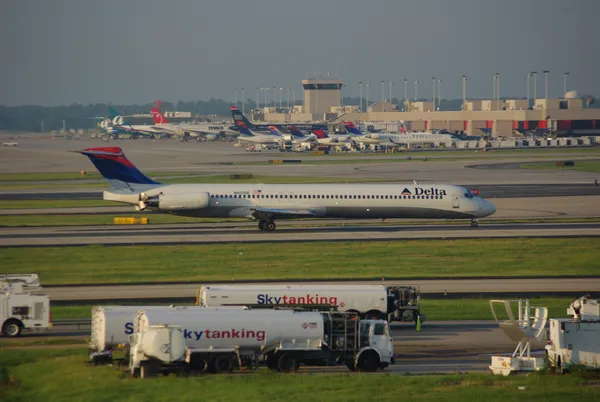
Delta Air Lines flights at Hartsfield-Jackson Atlanta International Airport faced major disruptions after thunderstorms and hail moved through the region Friday evening, triggering temporary ground stops and cascading delays into the weekend. Atlanta is Delta’s primary hub, and disruptions there can quickly ripple across the carrier’s national network.
The weather system passed over the airport during a peak departure period on Friday, March 6, 2026, prompting operational restrictions that limited aircraft movements for safety. As conditions improved, the airport and airlines worked to restart traffic, but the stop-and-start pattern left aircraft and crews out of position, complicating recovery through Saturday.
Why flights were held: safety checks, gates, and crew duty limits
A key driver of the slowdown was the need for post-storm aircraft inspections. Hail and lightning exposure can require maintenance checks before aircraft are cleared to return to service. Those inspections take time and specialized equipment, and they compete for limited ramp space and maintenance staffing—especially when many aircraft require attention at once.
Ground stops and ground delay programs also create “gating constraints,” a common issue during irregular operations at large hubs. Aircraft may arrive but have no gate available, leading to aircraft waiting on taxiways or at remote areas until space opens. Meanwhile, extended on-ground delays can push pilots and flight attendants into federally regulated duty-time limits, forcing cancellations or crew substitutions that are not always immediately available.
Scale of disruption: cancellations and delays build quickly
Local reporting during the weekend described widespread cancellations and extended delays affecting Delta passengers in Atlanta, including large numbers of overnight cancellations as the airline attempted to reset its operation. Airport operations were also affected by residual backlogs from earlier ground stops, creating surges in passenger volumes inside terminals as rebookings and rolling delays accumulated.
Even when the most intense weather moved out, the recovery timeline remained uncertain because hub recovery depends on rebalancing aircraft, crews, and gate schedules across multiple cities—not just Atlanta.
What travelers can expect during hub “resets”
More cancellations after the storm ends, as aircraft routing and crews remain out of position.
Longer tarmac and gate holds when arrivals outpace available gates.
Reduced same-day rebooking options as seats fill across alternative routings.
When a hub the size of Atlanta slows down, disruption can spread far beyond Georgia because inbound aircraft and crews feed outbound departures nationwide.
Looking ahead
Airlines typically prioritize restoring the integrity of the schedule—positioning aircraft and crews for the next operating day—after major weather events. For passengers, that can mean short-notice changes as the carrier consolidates flights, swaps aircraft, or adjusts departure banks while ramp teams complete required inspections and the airport works through gate congestion.