Delta cancels nearly 200 flights as FAA issues Atlanta ground delay, stranding travelers at Hartsfield-Jackson
Disruptions intensify at the nation’s busiest airport
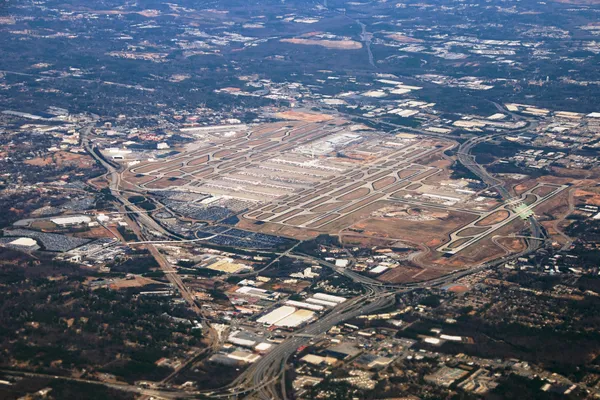
Flight disruptions surged overnight into Saturday, March 7, at Hartsfield-Jackson Atlanta International Airport, where Delta Air Lines canceled close to 200 flights and additional flights posted extended delays. The breakdown left some passengers stranded inside terminals and prompted reports of travelers sleeping on the floor as operations stretched into the early morning hours.
In response to congestion and operational strain, the Federal Aviation Administration listed a ground delay program for arrivals into Atlanta. In a ground delay program, flights destined for the affected airport may be held at their departure airports to manage traffic flow and reduce airborne holding. Early Saturday, the FAA’s status page for ATL showed active ground-delay conditions and published average delay estimates for inbound traffic.
What travelers experienced on the ground
Passenger accounts from inside the airport described extended waits after arrival and difficulty securing timely rebooking. One traveler said they remained on the aircraft for several hours after landing late Friday night, not deplaning until early Saturday morning. Another passenger said their flight home was ultimately canceled after hours of waiting, while their checked baggage was expected to reach the destination ahead of them.
Airline disruptions can cascade quickly in Atlanta because of the airport’s hub role in the national network. When aircraft and crews are displaced, downstream flights can be affected even when local conditions improve, creating a backlog that can take many hours—sometimes longer—to unwind.
Weather and air-traffic flow restrictions
Delta cited spring storms as a contributing factor to the disruptions. Weather-related impacts often include reduced arrival rates, gate constraints, and limited ramp operations, which can compound delays across multiple carriers. The FAA’s flow management tools—such as ground delay programs—are designed to balance demand against the airport’s reduced capacity during these periods.
How passengers can navigate widespread cancellations and delays
Confirm the flight’s status through airline apps and text alerts, which often update faster than airport display boards during rolling delays.
If a cancellation occurs, request rebooking options immediately and ask whether alternatives via nearby airports are available.
For long onboard delays, federal rules require airlines to meet specific customer-service obligations, including time-based standards for the opportunity to deplane during extended tarmac delays, subject to safety and operational constraints.
Travelers reported prolonged waits, last-minute cancellations and difficulty securing replacement seats as airport operations remained strained into Saturday morning.
Airport conditions can change rapidly as weather systems move through and as delayed aircraft and crews reposition. Travelers with flights through Atlanta Saturday are advised to monitor airline notifications closely and plan for additional time at the airport.