Atlanta’s Eastside Beltline streetcar extension work stopped in 2025, raising process and oversight questions
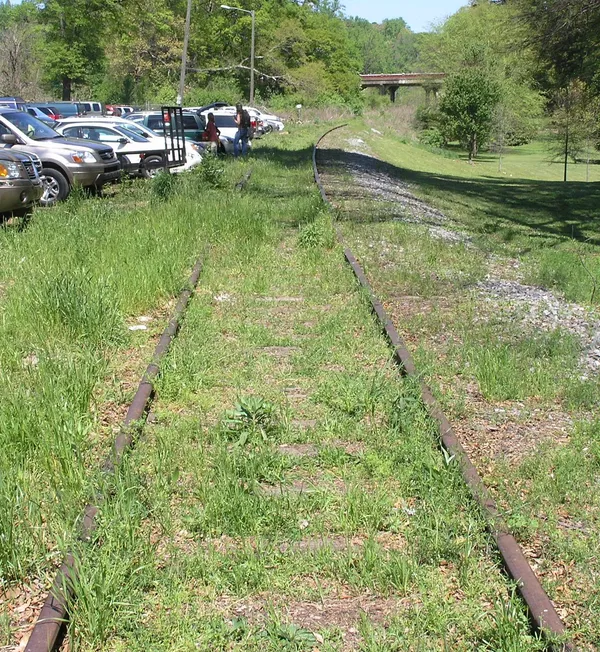
A flagship transit segment, then a quiet stop
Work tied to the planned Atlanta Streetcar East Extension—an expansion intended to connect the existing Downtown streetcar to the Atlanta Beltline’s Eastside corridor and continue north to the Ponce de Leon area—was halted last year following a closed-door committee action that was not publicly disclosed at the time.
The project, frequently described in city transit planning as a cornerstone Beltline-related transit investment, had advanced through years of study and formal approvals. Early work began in 2019, and the MARTA board approved the project in 2023 after finalizing a two-mile alignment designed to run from Downtown along city streets to the Beltline corridor, with service plans previously framed around a 2028 target.
What changed: a committee vote, limited public visibility
Meeting notes show that a joint oversight body for Atlanta’s More MARTA program—the program governance committee—voted behind closed doors to stop work on the Streetcar East Extension. The action was characterized in meeting documentation as a stop rather than a temporary pause, and no public timeline was set for resuming work.
In subsequent public discussions, the project was referenced as being “on pause,” while the committee’s vote itself was not presented publicly as a decisive action. The decision also did not come before MARTA’s full board for a public vote after the committee acted, despite broader expectations that major program shifts would be visible through formal agency action.
Governance and accountability questions
The dispute now centers on who has authority to change project sequencing or stop work and what constitutes a “significant change” requiring broader approval. Program documentation governing Atlanta’s More MARTA framework defines significant changes to include changes in project sequencing that disadvantage another project, inconsistencies with an approved sequencing plan, and budget shifts that trigger reporting thresholds.
Roughly 4% of the East Extension budget had been spent, according to figures discussed in connection with the committee’s action—raising additional questions about how unspent funds could be redirected and what approvals would be required for that reallocation.
Political pivot and competing transit priorities
The decision to halt work followed a broader shift in City Hall’s public posture. Mayor Andre Dickens, who previously supported Beltline rail during his first election campaign, later urged additional study and publicly discussed alternative modes—ranging from bus-based service to automated shuttles and other concepts—before moving to prioritize an initial rail phase on the Beltline’s Southside corridor instead.
Key facts at a glance
- The planned extension would add roughly two miles of streetcar service from Downtown to the Beltline area and north toward Ponce de Leon.
- Work connected to the project began in 2019; MARTA’s board approved the project and its alignment in 2023.
- A joint More MARTA governance committee later voted in a closed meeting to stop work, without a public resumption date.
- The project has since been publicly described as paused while partners discuss reprioritizing More MARTA projects.
As Atlanta weighs near-term mobility needs against long-term transit buildout, the Eastside decision highlights a central question: how major transportation pivots are made, disclosed, and validated across city and regional governance structures.