Atlanta’s allergy season is lasting longer as freeze-free days increase, new multi-city analysis shows
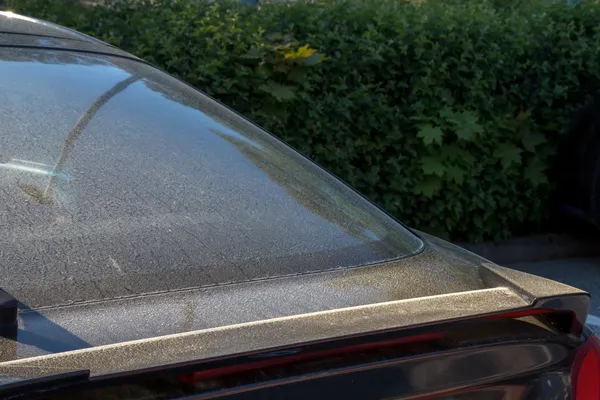
A longer window for plant growth is extending the period when pollen can circulate
Atlanta’s allergy season is getting longer as the metro’s freeze-free period—the stretch between the last and first freeze—continues to expand, widening the window for plants to grow and release pollen. A new analysis tracking temperature trends from 1970 through 2025 finds the freeze-free growing season lengthened in nearly 90% of 198 U.S. cities reviewed, with cities that saw increases averaging about three additional weeks.
For Atlanta, the analysis estimates the freeze-free period is now, on average, 37 days longer than it was in the 1970s. Researchers use the freeze-free interval as a proxy for conditions that can support longer pollen seasons: fewer cold nights that halt growth, and more days when plants can produce and disperse allergenic pollen.
What “freeze-free” does—and does not—measure
The freeze-free metric does not directly count pollen grains in the air. Instead, it captures a temperature-based boundary that helps explain why many communities experience earlier starts and later endings to seasonal allergy symptoms. The same analysis shows wide variation by region and city, including places with even larger increases and a smaller number of locations where the freeze-free season has shortened.
In Georgia, earlier reporting tied to the same national dataset has highlighted that while Atlanta’s season has lengthened substantially, some cities in Middle Georgia have not followed the same pattern—underscoring that local climate trends can differ within the same state.
Health implications: more time exposed to triggers
A longer allergy season can mean more cumulative exposure to tree, grass, and weed pollens that trigger symptoms such as congestion, watery or itchy eyes, coughing, and wheezing. Public health data indicate seasonal allergies affect about one-quarter of U.S. adults. Among children, national surveys have shown prevalence varies by age, with higher rates reported in older school-age groups and teenagers than in children under 6.
How climate conditions can intensify pollen risks
Beyond longer freeze-free periods, peer-reviewed research has projected that continued warming could shift spring pollen emissions earlier and extend late-season pollen later in the year, lengthening the overall emission season and increasing total pollen output across large parts of the United States under high greenhouse-gas scenarios.
Separately, emerging research has examined how urban conditions—such as artificial light at night—may also be linked to earlier starts and later ends to pollen seasons, suggesting that city-specific factors can add to temperature-driven changes.
What allergy specialists commonly advise during peak periods
- Monitor local pollen levels and plan outdoor activities when levels are lower.
- Keep windows closed during high-pollen days and use indoor air filtration where available.
- Shower and change clothes after extended time outdoors to reduce pollen brought inside.
- Seek medical guidance if symptoms are persistent or interfere with sleep, work, or school.
As Atlanta’s freeze-free season expands, residents may face a longer period of potential pollen exposure, increasing the importance of tracking conditions and managing symptoms early.