Atlanta travelers weigh relief and uncertainty after Senate backs TSA funding amid prolonged Homeland Security shutdown
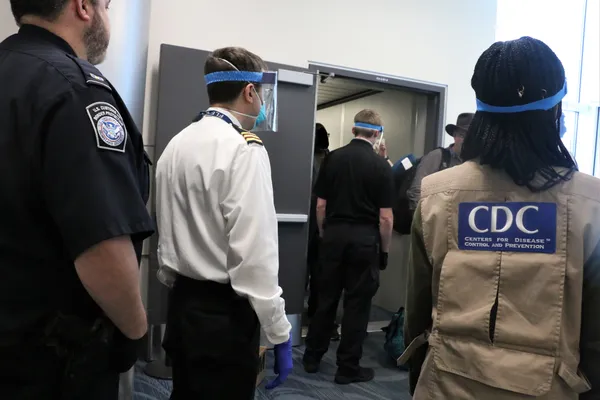
Security screening at Hartsfield-Jackson remains central to a national funding fight
Travelers moving through Hartsfield-Jackson Atlanta International Airport have spent weeks navigating shifting security wait times tied to the partial shutdown of the U.S. Department of Homeland Security, which began Feb. 14, 2026. The disruption has fallen heavily on the Transportation Security Administration, whose officers have continued screening passengers while missing paychecks and confronting rising staffing pressures.
Overnight into March 27, the U.S. Senate approved a funding agreement intended to restore operations for most of DHS components and stabilize pay for TSA personnel. The measure was approved without a recorded roll call vote and was sent to the U.S. House of Representatives, where leaders signaled the next steps would be shaped by internal negotiations.
What the Senate deal would do—and what it leaves unresolved
The Senate package would fund much of DHS through the end of the fiscal year while leaving immigration enforcement funding outside the agreement. That structure reflects the core impasse in Washington: lawmakers have been unable to unify around a broader DHS plan as border and enforcement policy disputes remain intertwined with annual appropriations.
Separately, the White House announced plans for executive action aimed at ensuring TSA officers receive pay during the impasse, as missed pay periods increased concerns about retention and day-to-day checkpoint operations.
- Funding in the Senate package is designed to cover TSA and other DHS functions that have continued operating during the shutdown.
- Immigration enforcement and related operations remain a primary unresolved element in the broader DHS funding debate.
- The House must act for the Senate measure to become law, and House leaders have indicated there is not yet a clear path to final passage.
Atlanta impact: delays, staffing strain and travel planning changes
Atlanta airport officials have repeatedly warned passengers to arrive earlier than usual as the shutdown has strained staffing and contributed to longer lines at TSA checkpoints, particularly during peak travel windows and following weather-related disruptions. Travelers have adjusted by building additional buffer time into airport arrivals, re-checking flight schedules and security wait estimates, and prioritizing earlier departures.
Federal officials have also warned that continued staffing shortfalls could have broader consequences, including service reductions at smaller airports. TSA leaders and transportation officials have publicly linked the risk of worsening delays to a combination of unscheduled absences, attrition and the financial stress of working without regular pay.
The funding debate has created two parallel pressures for travelers: the immediate need for reliable checkpoint throughput and the longer-term question of whether staffing levels can be sustained without a durable budget agreement.
What happens next
For Atlanta travelers, the near-term outcome depends on whether the House advances the Senate-approved funding plan or pursues an alternative. Until a final agreement is enacted, airport operations are expected to remain sensitive to staffing availability, callouts and travel surges. Airport and airline advisories in recent weeks have consistently emphasized early arrival and flexibility as the shutdown’s effects continue to ripple through security screening.