Atlanta tenants report rat infestations and lack of heat, raising questions about enforcement and landlord duties
Tenant complaints highlight overlapping health and safety risks
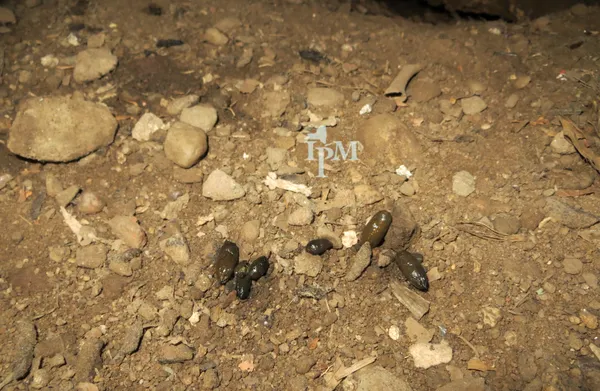
Tenants at multiple metro Atlanta apartment properties have reported living conditions that include rodent activity inside units and extended periods without reliable heating or cooling. Residents have described seeing rodents in kitchens and pantries, using traps inside their homes, and relying on improvised measures to stay warm during cold weather when heat systems failed.
In one southwest Atlanta property, tenants documented rodents caught on sticky traps and described persistent moisture and visible mold in living spaces. Some residents said they were assessed monthly pest-related fees while still experiencing ongoing infestations, and that responses from management did not resolve underlying entry points or environmental conditions that can sustain rodent and mold problems.
Separately, residents at a Rockdale County apartment complex said heating problems persisted as temperatures dropped below freezing in early December 2024. Tenants described purchasing firewood, huddling in common areas, wearing coats indoors, and rotating small portable heaters between rooms. Residents said repeated complaints were made to property staff, while public-facing information about management responsibility appeared unclear at the time.
What local governments can and cannot do
Tenant advocates and public officials across the region have repeatedly pointed to the practical limits of code enforcement in Georgia’s fragmented regulatory environment. Metro Atlanta jurisdictions operate under a patchwork of local ordinances, inspection capacity varies widely, and some areas have limited or no local standards that explicitly prevent properties from operating while tenants report severe habitability problems.
That variability has placed a heavy burden on residents to document issues, pursue inspections, and navigate administrative or court processes while continuing to live in the affected units.
Recent policy changes and emerging local standards
Georgia enacted a statewide renter-protection law in 2024, adding measures that include a grace period before certain eviction filings and limits on security deposits. However, reporting and enforcement mechanisms tied to property conditions still depend substantially on local inspection systems and on tenants’ ability to pursue remedies.
Some metro jurisdictions have moved to set more specific, enforceable expectations. In September 2025, the City of Mableton adopted a “Safe and Healthy Housing” ordinance establishing standards that address mold, infestations, structural hazards, and unsafe utilities, and outlining enforcement tools including corrective orders and potential emergency remediation.
Common pressure points raised in tenant cases
- Rodent access and building maintenance: Residents often report recurring infestations when holes, damaged walls, or utility penetrations are not sealed and sanitation issues persist.
- Heat outages during cold snaps: Prolonged loss of heat can create immediate safety risks, especially for children, older adults, and medically vulnerable tenants.
- Accountability gaps: Tenants frequently describe difficulty identifying responsible decision-makers when property management changes or corporate ownership structures are opaque.
Across the region, tenant complaints about rats and heating failures continue to surface as a test of how quickly property owners respond and how effectively local enforcement systems can compel repairs.
For residents facing these conditions, next steps commonly include written maintenance requests, requests for inspection through local code enforcement, and preservation of photos, videos, and dated communications to establish timelines of reported defects and responses.