Atlanta plans to close Bell Street Bridge encampment near Grady, raising questions about safety and services
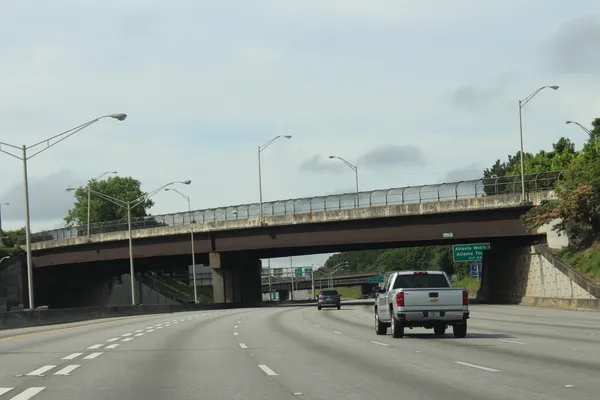
Closure scheduled to begin Friday
The City of Atlanta is preparing to close the homeless encampment located under and around the Bell Street Bridge, an area also known as Coca-Cola Place near Grady Memorial Hospital. The city’s planned start for the closure is Friday, March 6, 2026.
The site has drawn increasing attention because tents and belongings have spread along the sidewalk beneath the interstate overpass, creating pedestrian access and sanitation concerns in a high-traffic corridor near major medical facilities and downtown destinations.
Outreach efforts and housing navigation
Partners for HOME, the organization that coordinates Atlanta’s homelessness response system, has said outreach teams have been engaging people living at the site for months ahead of the planned closure. The organization’s leadership has described the work as part of an encampment “decommissioning” process designed to connect unsheltered residents with available options for shelter, services, and pathways to housing.
For some residents, the closure introduces immediate uncertainty. One person who has lived in the area for several years described difficulty reestablishing benefits and said the encampment felt safer than entering shelter. Others living nearby have voiced concerns about flooding during heavy rain, accumulated trash, and the lack of consistent sanitary conditions.
Scrutiny after a fatal clearing in 2025
Encampment closures in Atlanta have faced heightened public scrutiny since January 16, 2025, when Cornelius Taylor was killed during a city encampment cleanup operation. The incident intensified calls for clearer operational safeguards, transparency, and consistent standards for how closures are carried out and how personal property and resident safety are handled on site.
In the wake of that death, city leaders and homelessness-response officials have pointed to changes in procedures for how closures are planned and coordinated. Separately, the Atlanta City Council approved a resolution calling for a moratorium on the use of heavy equipment in encampment clearings pending review and updated procedures intended to improve safety.
Legal context for encampments under state-controlled corridors
Encampments under bridge structures often fall within transportation rights-of-way, where restrictions can apply. Georgia law prohibits camping on portions of roads on the state highway system or on property owned by the Georgia Department of Transportation, a legal framework that has shaped prior multi-agency clearings under and near interstate corridors.
What happens next at Bell Street
Key operational details—such as how the site will be secured after clearing, the timeline for sanitation and debris removal, and where residents will be directed in the short term—are expected to determine whether the closure reduces risks at the location without destabilizing people who are living unsheltered nearby.
- The city has set Friday, March 6, 2026, as the start of the closure.
- Outreach has been underway for months through Atlanta’s homelessness-response system.
- The operation comes amid ongoing policy debate over safety procedures following the January 16, 2025 death of Cornelius Taylor.
Encampment closures are increasingly evaluated not only by how quickly a site is cleared, but by measurable outcomes: whether people are connected to shelter, health care, benefits, and stable housing—and whether the location remains accessible and safe afterward.