Atlanta Fed President Raphael Bostic argues for holding interest rates steady as inflation remains above target
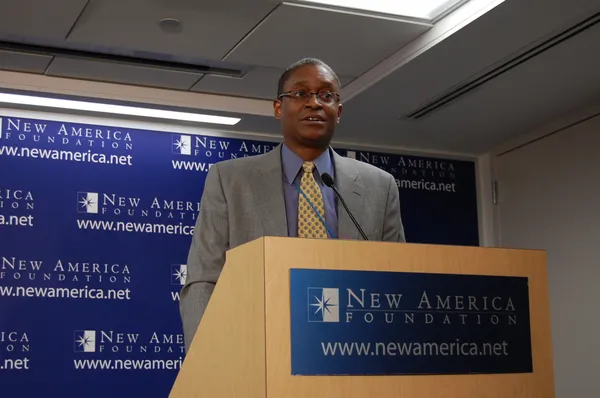
Bostic: policy should stay “moderately restrictive” while inflation continues easing toward 2%
Atlanta Federal Reserve President Raphael W. Bostic has argued that the U.S. central bank should keep its benchmark interest rate steady for now, saying inflation remains above the Federal Reserve’s 2% goal and that maintaining restraint helps reinforce progress toward price stability.
In remarks delivered in Atlanta, Bostic described the current stance as “moderately restrictive” and framed it as necessary to bring inflation down in a durable way. He pointed to inflation running around 3% in December on the Fed’s preferred gauge, underscoring that the pace of improvement has not yet reached the level consistent with the central bank’s target.
Balancing inflation progress with a labor market that is cooling, not collapsing
Bostic’s case for holding rates comes as the labor market has shown signs of cooling. He cited an unemployment rate around 4.4%, up from about 3.8% in 2023, while emphasizing that the current level remains historically low by longer-run standards.
He also indicated that concerns about hiring have eased among some business leaders, suggesting the economy has moved away from the acute labor shortages seen earlier in the post-pandemic expansion. The Fed’s policy debate has increasingly centered on whether inflation can continue to fall without materially weakening employment.
- Inflation remains above the Fed’s 2% objective, with recent readings still elevated.
- Unemployment has risen from recent lows, but remains relatively low historically.
- Business feedback has pointed to less acute hiring pressure than in prior years.
Why “high inflation for longer” matters in the Fed’s framework
Bostic highlighted the costs of inflation that stays elevated for extended periods, including pressure on household budgets and reduced certainty for longer-term planning. He also described how sustained inflation can weigh on consumer spending, business investment, and hiring decisions, creating a broader economic drag even when growth continues.
Persistent inflation can erode purchasing power and complicate long-term decisions for households and firms.
Uncertainty from policy and global developments remains a key variable
Bostic said the economy is experiencing ongoing “churn,” pointing to uncertainty tied to changing trade policy and immigration dynamics. Such forces can affect both sides of the Fed’s dual mandate by influencing price pressures, labor supply, and the outlook for growth.
End-of-term timing and the Atlanta Fed leadership transition
Bostic is scheduled to retire when his current term concludes on February 28, 2026. The Atlanta Fed’s board has begun a search process for his successor; if a new president is not in place by that date, the bank’s first vice president and chief operating officer, Cheryl Venable, is set to serve as interim president.
In 2026, Bostic is not a voting member of the Federal Open Market Committee, though he continues to participate in policy deliberations as a regional Reserve Bank president. His latest remarks add to a wider discussion among policymakers over how long to keep rates restrictive as inflation declines and labor market conditions gradually normalize.