Atlanta City Council considers measures to monitor ICE operations, as debates grow over body-camera accountability
What the council is weighing
Atlanta City Council members are moving forward with proposals that seek greater transparency around federal immigration enforcement activity affecting city residents, including steps framed around monitoring and accountability tools such as body-worn cameras. The push arrives as Metro Atlanta officials publicly confront questions about the scope of Immigration and Customs Enforcement activity in and around the city ahead of major international events and amid heightened public scrutiny of enforcement encounters.
The council action under consideration does not give Atlanta authority to direct ICE operations or mandate federal policy. Instead, it reflects a municipal strategy increasingly used by cities nationwide: using local legislative statements, restrictions on city-provided resources, and oversight-oriented conditions to shape how local institutions interact with federal agencies.
How monitoring could work in practice
The concept being debated locally is less about the city “policing” ICE than it is about defining what Atlanta will and will not do to support immigration enforcement activity and about creating a clearer record when city personnel, city facilities, or city-controlled spaces intersect with federal actions.
- Limiting city resources available to ICE, such as financial incentives or use of city property, in connection with detention-related activity within city limits.
- Directing policy review of how city departments handle requests that could support civil immigration enforcement, including information-sharing practices and coordination protocols.
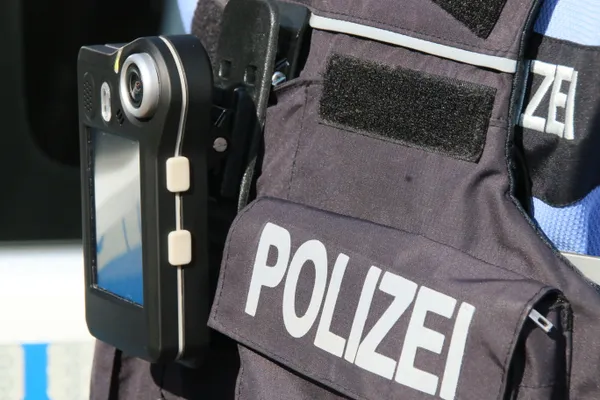
- Advancing accountability expectations that align with broader law-enforcement transparency norms, including the use of body-worn cameras, identification practices, and documentation during joint or overlapping operations.
Context: detention footprint and regional spillover
The debate is taking place against a backdrop of detention-related concerns in the region. While Atlanta cannot prevent a federal agency from purchasing privately owned property, council members have discussed the city’s posture toward detention activity inside Atlanta and how to respond to plans for facilities elsewhere in Georgia that could increase federal enforcement presence in the metro area.
Separately, nearby jurisdictions have adopted their own resolutions aimed at discouraging or blocking detention facilities within their boundaries, signaling a broader regional pattern of local governments using municipal tools to define limits on cooperation.
Why body cameras are central to the accountability argument
Body-worn cameras have become a central element of public accountability expectations for law enforcement, but requirements vary significantly by agency and jurisdiction. In Atlanta, city policy has long required body cameras for city police operations, and city leaders have previously urged broader adoption of body cameras by other law-enforcement agencies operating in the area.
City officials have emphasized that when multiple agencies operate in the same environment, inconsistent camera rules can leave critical gaps in documentation and public understanding after high-profile incidents.
Limits of local authority and what happens next
Any Atlanta City Council measure focused on monitoring ICE would face clear legal boundaries. Federal officers are governed by federal rules, and Atlanta cannot unilaterally impose equipment mandates on federal agents. The practical impact of local action would therefore hinge on city-controlled levers: whether Atlanta provides resources, how city departments coordinate, and what transparency standards are expected when city and federal activities overlap.
The proposals are expected to proceed through the council committee process, where members will refine language, consider legal constraints, and evaluate enforceability. The outcome could shape how Atlanta defines cooperation, documentation, and public accountability in situations where federal immigration enforcement intersects with city life.