Atlanta Beltline installation near Ponce City Market focuses attention on Iran’s human-rights crisis and protests
An exhibit on a high-traffic stretch of the Eastside Trail
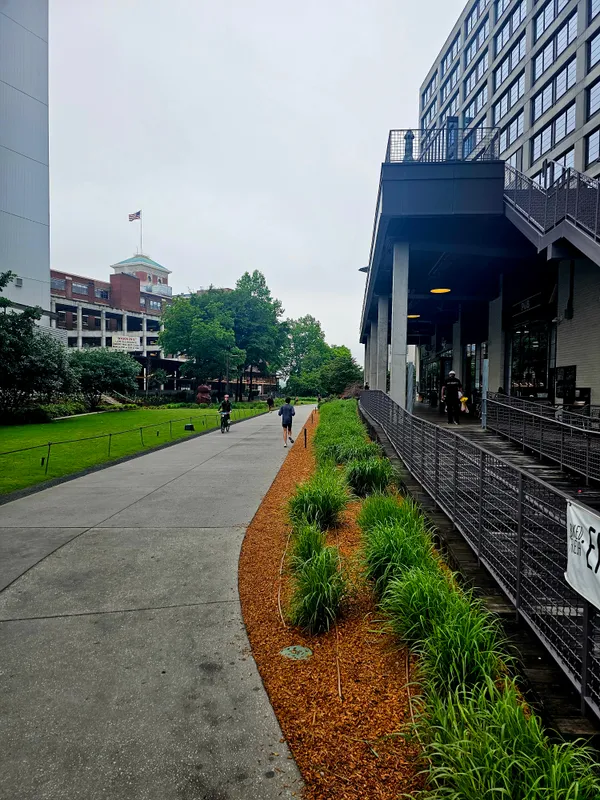
A new outdoor art installation on the Atlanta Beltline is drawing attention to Iran’s ongoing human-rights crisis, using the Eastside Trail’s steady flow of walkers, runners and cyclists as its gallery. The display is located behind Ponce City Market, near the trail-facing area by a Kroger, a corridor that has become one of Atlanta’s most visited public spaces and a frequent site for temporary artworks and community programming.
The installation presents visual storytelling and tributes connected to the “Woman, Life, Freedom” movement, which has been associated with waves of protest and government crackdowns in Iran. The exhibit’s placement in an open, public setting allows passersby to encounter the material without an entry fee or scheduled viewing time, consistent with the Beltline’s role as a multi-use trail and linear greenspace that also functions as a cultural corridor for public art.
Local organizing and a pattern of Beltline-based solidarity actions
The exhibit arrives amid continued public demonstrations in Atlanta by Iranian Americans and allies. Earlier this year, Iranian Americans gathered along the Beltline to show solidarity with protesters and political prisoners in Iran, displaying photos of people killed during recent crackdowns and calling for international support. Participants also placed roses and carried Iranian flags, underscoring how the trail has become a recurring venue for civic expression tied to events overseas.
The art installation similarly relies on public visibility: rather than staging a one-time rally, it extends the encounter over days, giving residents multiple opportunities to stop, read, reflect and discuss.
How public art carries political narratives without a formal venue
Atlanta’s Beltline art program has long emphasized temporary works—murals, sculptures and installations—presented along the corridor for broad public access. In practice, that model can carry political narratives in ways that differ from museum exhibitions: audiences are not self-selected in the same way, and the work exists alongside everyday recreation and commuting.
In this case, the installation’s subject matter links a local space to an international crisis. Its central theme—commemoration of those affected by protest and state violence—reflects a wider trend in public art that uses portraiture, names, and documentary-style imagery to preserve memory and prompt public conversation.
What visitors can expect to see
- Tribute-oriented visual materials tied to the “Woman, Life, Freedom” movement
- Story-based presentation designed for viewing by pedestrians and cyclists
- A location chosen for high visibility on the Eastside Trail behind Ponce City Market
The exhibit’s public placement ensures that the subject is encountered in daily city life, not confined to a ticketed cultural venue.
As the Beltline continues to expand its identity as both infrastructure and public commons, installations like this one highlight how Atlanta’s most prominent trail is increasingly serving as a platform where global events are interpreted through local community presence and public art.