Atlanta and Chattahoochee Riverkeeper settle Clean Water Act suit over R.M. Clayton wastewater discharges
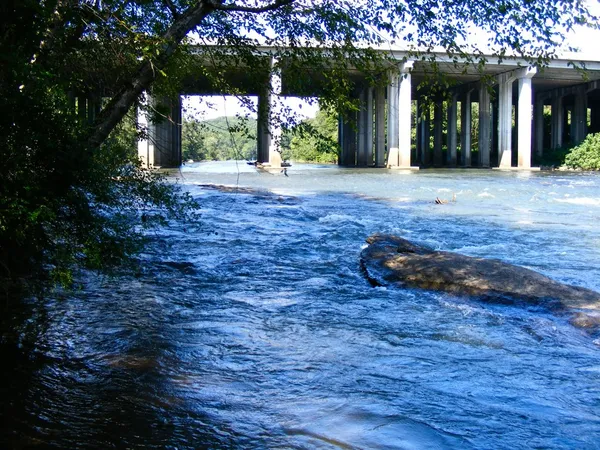
Settlement ends lawsuit over alleged permit violations at Atlanta’s largest wastewater facility
The City of Atlanta and the nonprofit Chattahoochee Riverkeeper have reached a settlement resolving a federal Clean Water Act lawsuit centered on discharges from the R.M. Clayton Water Reclamation Center, the city’s largest wastewater treatment facility. The agreement follows litigation filed in 2024 alleging the plant released pollutants at levels that violated the facility’s discharge permit and federal law.
The dispute drew sustained attention after water testing and state inspections in 2024 documented concerns about water quality downstream of the plant and the facility’s condition. The R.M. Clayton plant is permitted to discharge treated wastewater into the Chattahoochee River, and its permit sets limits and operational requirements designed to protect public health and aquatic life.
How the case developed
In March 2024, state environmental inspectors reported the facility required repairs to multiple pieces of equipment, including treatment tanks used to help purify wastewater. Later that year, Chattahoochee Riverkeeper filed suit in federal court, alleging ongoing Clean Water Act violations connected to the plant’s operation and maintenance.
In February 2025, a federal judge denied the City’s motion to dismiss or stay the case, allowing the litigation to proceed and ordering the parties into expedited discovery. The court’s order described the case as arising from alleged unlawful discharges tied to an inadequately maintained wastewater treatment plant.
What the settlement says—and what it does not
Public statements announcing the settlement describe the City’s Department of Watershed Management as reaffirming a commitment to millions of dollars in upgrades, repairs, and the installation of new equipment at the R.M. Clayton facility. The same statements also indicate the plant is currently in compliance with its permit.
Separately from the Riverkeeper lawsuit, state regulators have pursued administrative enforcement related to R.M. Clayton. In early February 2025, Georgia environmental officials proposed a settlement of $290,817.33 with the City addressing alleged operational and maintenance failures, including outfall spills and permit exceedances dating from July 1, 2023, through Nov. 30, 2024. That proposed administrative settlement included requirements for repair planning and response measures and was subject to a public comment period.
The settlement announcement emphasizes infrastructure improvements and current permit compliance.
Details such as stipulated timelines, monitoring requirements, or any payment terms in the Riverkeeper settlement were not included in the publicly available summaries reviewed for this report.
Broader context: a long-running compliance history
Atlanta’s wastewater system has been under federal scrutiny for decades. In the late 1990s, the City entered into major Clean Water Act settlements addressing sewer-system and overflow violations, requiring corrective actions and penalties. Court records from that era reflect litigation and consent decrees designed to reduce unlawful discharges and bring municipal operations into compliance.
With the case now settled, the key measure for residents and downstream communities will be whether sustained compliance is reflected in ongoing monitoring and permit reporting, alongside completion of the promised facility upgrades.
For communities that rely on the Chattahoochee for recreation and as a downstream water resource, the settlement closes a legal chapter while leaving implementation—equipment upgrades, operational performance, and verified compliance—as the next focal point.