Atlanta airport jet fuel spill contaminates Flint River, prompting water advisories and transparency concerns
Fuel release near Hartsfield-Jackson triggers cleanup response and questions about public communication
A jet fuel spill at Hartsfield-Jackson Atlanta International Airport on Friday, Jan. 30, 2026, contaminated the Flint River headwaters and prompted warnings and operational changes for downstream water systems, while residents and environmental advocates criticized what they described as limited public information about the scale and duration of the leak.
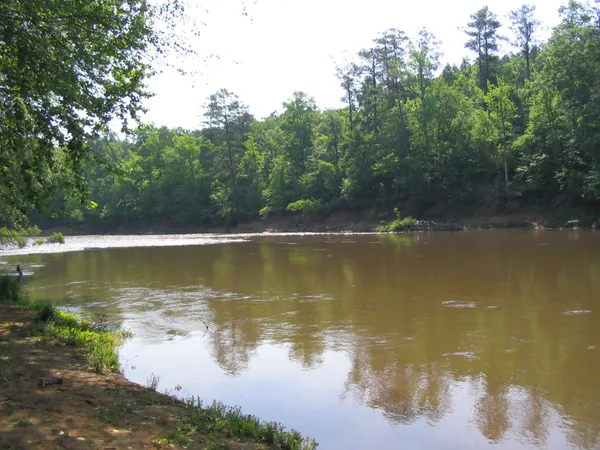
The Flint River begins near the airport and runs in part beneath airfield infrastructure before flowing southwest through metro Atlanta’s southern edge and into central Georgia. The river is a drinking-water source for communities downstream, adding urgency to public concerns about possible impacts on water intakes and household tap water.
What is known about the spill so far
State officials have described the incident as a jet fuel release that entered the stormwater system and reached the river. In legislative testimony in the days after the spill, the state environmental agency’s director said a failed valve component was involved. Federal responders later identified a fuel-system component used in aircraft refueling—described as a fuel pit hydrant valve attached to a pipeline—as the source.
By Feb. 3, federal responders said much of the released fuel had been contained within roughly the first half-mile downstream of the release point and that a continuous remediation operation had recovered thousands of gallons of fuel from the river and airport areas. Officials said weather conditions had slowed some response work.
Water advisories and local system changes
In the hours after the spill, the City of Griffin—about 35 miles south of Atlanta—issued a “do not consume” advisory for tap water as a precaution for more than 20,000 customers. The city instructed residents not to drink, cook with, or brush teeth with tap water and said boiling would not make the water safe. Griffin shut down its Flint River intakes and shifted to alternate supplies while flushing portions of the system and testing water. Local officials later lifted the advisory after test results and operational checks supported resuming normal use.
Even after advisories were lifted, some residents in south metro communities reported fuel-like odors in tap water. State officials said water sources tested to date had been deemed safe, though some households said their sensory observations did not match that reassurance.
Why transparency is being questioned
Environmental advocates and residents argued that public updates did not quickly provide key incident details such as the volume and duration of the leak, information they said is central to understanding downstream risk and planning household precautions. Elected officials also raised compliance and containment questions in the days following the spill, focusing on prevention measures and whether secondary containment should be strengthened.
Key unresolved points publicly discussed in the immediate aftermath included the total volume released, how long fuel flowed before the failure was stopped, and how far downstream odors or sheen were confirmed through field observations and sampling.
Response agencies emphasized containment, recovery, and ongoing investigation, while acknowledging that remediation had no firm completion date as of early Feb. 2026.
Residents said they want clearer, time-stamped updates on what happened, what testing shows, and what actions communities should take while cleanup continues.
Cleanup and monitoring remained ongoing as of Tuesday, Feb. 3, 2026, with state and federal responders continuing recovery efforts and water systems tracking test results and operational conditions downstream.