Atlanta airport general manager details TSA staffing call-outs, shifting wait times, and guidance for travelers
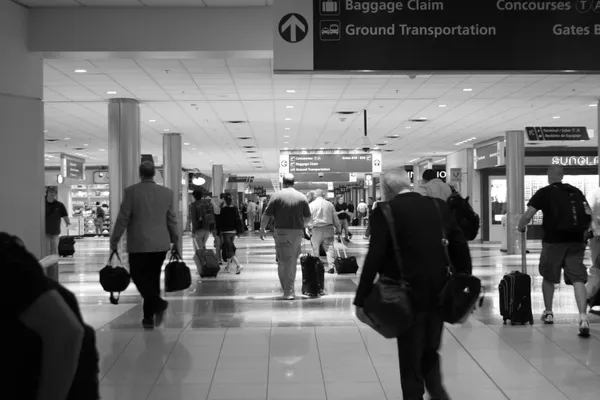
Security lines surge as staffing gaps collide with peak travel demand
Hartsfield-Jackson Atlanta International Airport has faced recurring periods of heavy congestion at passenger screening checkpoints, driven largely by unpredictable staffing levels among federal security screeners and concentrated surges in traveler volume. Airport leadership has described the situation in operational terms, pointing to elevated unscheduled absences—often referred to as a “call-out rate”—as a key factor in sudden backups that can ripple across the terminal within minutes.
The pressure on screening operations has unfolded amid a broader national disruption tied to a partial federal government shutdown that left Transportation Security Administration personnel working without pay. During the shutdown, the Department of Homeland Security publicly reported sharp spikes in TSA call-out rates at multiple large airports, including Atlanta, where one reported day reached 37% of scheduled officers not reporting for duty. Separately, DHS reported that at least 458 TSA officers nationwide quit during the shutdown period that began on Valentine’s Day.
Why wait times can swing quickly at ATL
Passenger throughput at ATL is highly sensitive to small changes in staffing and lane availability. Even when average posted times appear manageable, brief reductions in staffing can create compounding delays when several large departure banks overlap, when airlines experience irregular operations, or when passenger arrivals concentrate around early-morning and Monday peaks.
Airport data shared through ATL’s own real-time wait-time system illustrates the volatility: posted estimates can drop or rise rapidly over short intervals as additional lanes open, staffing is shifted, or passenger inflow changes. The airport’s stated operational goal has been to keep security waits under 20 minutes overall, though that target is not consistently achievable during high-volume periods paired with staffing shortfalls.
What travelers are being told to do now
Airport officials continue to emphasize early arrival as the primary mitigation for passengers, particularly during high-demand windows. The airport also maintains a public-facing real-time wait time tracker designed to help travelers decide when to enter the terminal and which checkpoint to use.
- Arrive at least two hours before a scheduled departure for domestic flights, and earlier during peak travel days or irregular operations.
- Check real-time posted screening estimates before leaving for the airport and again upon arrival, since conditions can change quickly.
- Be prepared for lane adjustments, including temporary constraints on expedited options when staffing is limited.
Airport management has described staffing call-outs as an operational challenge that can quickly translate into longer lines, missed connections, and crowded checkpoint areas when volumes remain high.
Operational outlook
In the near term, passenger screening performance at ATL is expected to remain closely tied to staffing reliability and national conditions affecting the TSA workforce. While queue management tools and lane optimization can improve flow, abrupt absentee spikes—especially during concentrated travel periods—can still produce the kind of uneven, stop-and-start experience that travelers have reported across multiple recent travel cycles.